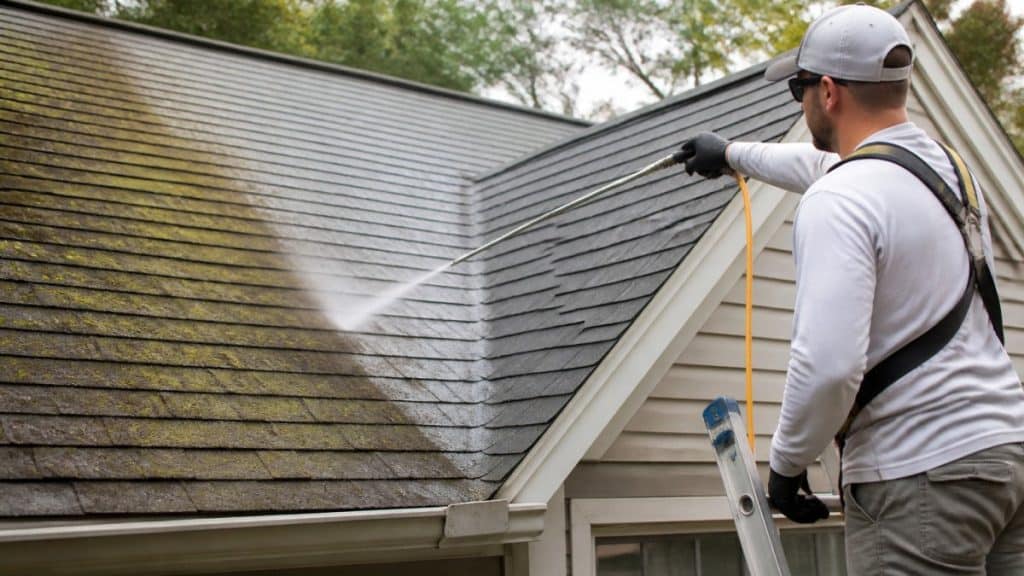
Last Updated: October 29, 2026
Quick Summary
Most roofs need roof algae cleaning about every one to three years, depending on the roof and how much shade it gets. North-facing slopes and roofs under heavy tree cover need attention first because moisture stays there longest.
- Typical cleaning interval is every one to three years.
- North-facing slopes are affected most because moisture stays longest there.
- Roofs under heavy tree cover also stay damp and need checking.
- Clean sooner if stains are spreading across the shingles.
- Spring and early fall are the best times to clean a roof.
Table of Contents
- How Often Roof Algae Needs Cleaning
- How to Remove Algae From Roof Shingles Safely
- Best Time of Year to Clean a Roof and How Long Results Last
- Frequently Asked Questions
How Often Roof Algae Needs Cleaning
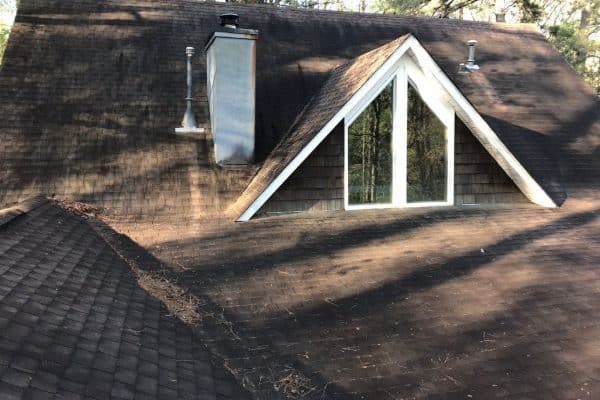
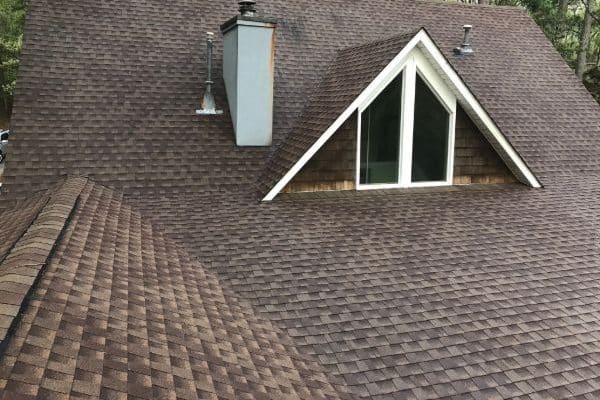
Most roofs in the Upstate need cleaning about every one to three years, but the right schedule depends on your roof and your shade. Black streaks most often appear on north-facing slopes and roofs under heavy tree cover, where moisture stays longest. Our article on what causes black streaks on roof shingles explains the growth behind them.
Roof algae shows up as dark, streaky stains that look like dirt. If you are unsure what you are seeing, EPA guidance on mold and moisture in buildings explains why damp surfaces grow growth. Our guide on how to identify roof algae can help you confirm it.
- Check shaded areas and north-facing slopes first
- Look for streaks after a rainy season
- Clean sooner if the stains spread across the shingles
Here is a quick summary of how often roof algae cleaning is typically needed and where it shows up first.
| Factor | Value | Note |
|---|---|---|
| Typical cleaning interval | Every one to three years | Depends on the roof and shade |
| Most affected areas | North-facing slopes | Moisture stays longest there |
| Also affected | Roofs under heavy tree cover | Damp conditions persist |
| Sign to clean sooner | Stains spreading across shingles | Act before growth spreads |
| Check timing | After a rainy season | Look for streaks |
How to Remove Algae From Roof Shingles Safely
Start with a low-pressure method. High pressure can strip the protective granules from asphalt shingles, which shortens the roof’s lifespan. Keep water off gutters and landscaping, and cover plants nearby. To see whether this approach suits your roof, read whether soft washing is safe for roof shingles.
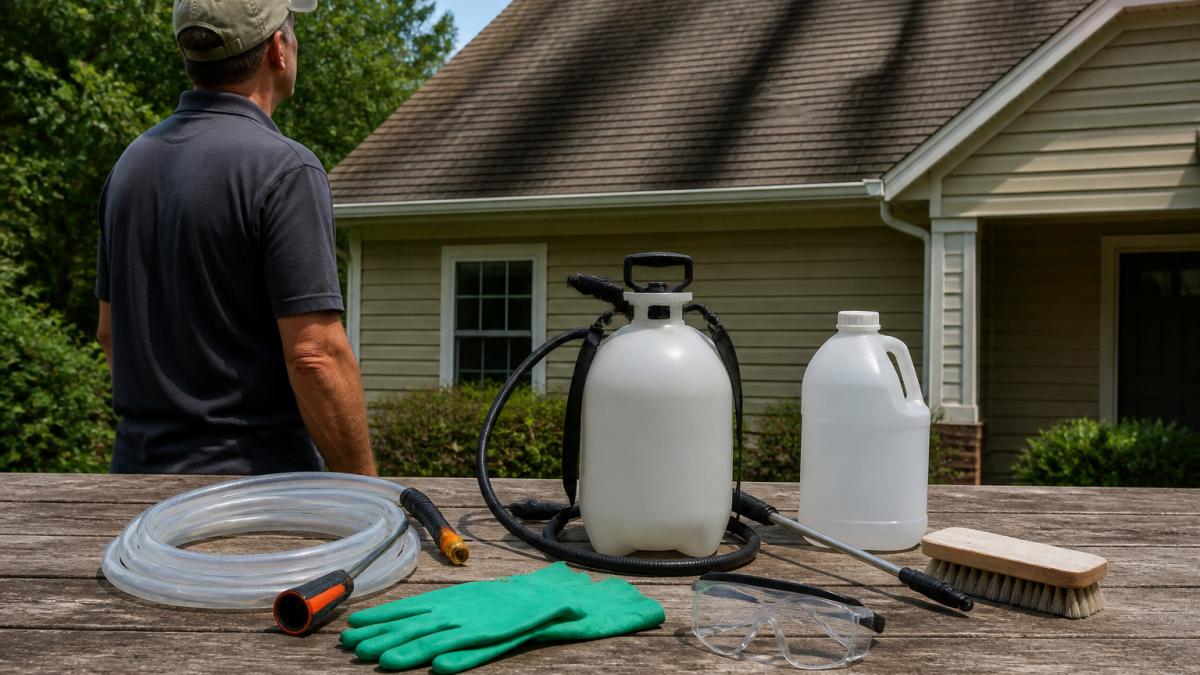
Before you choose a method, weigh the options. You can compare professional roof cleaning with DIY removal side by side. Consumer guidance on hiring a home service contractor offers tips for checking a company before you hire.
Best Time of Year to Clean a Roof and How Long Results Last
Spring and early fall are the best windows, when temperatures are mild and rain is steady. Prevention helps, so trim overhanging branches and keep debris off the roof.
For help with a schedule, Roof maintenance tips from the National Roofing Contractors Association outlines what to check each season.
Ready for a cleaning? Get a fast quote from Curb Appeal Solutions.
Frequently Asked Questions
How often should you clean roof algae?
Most asphalt shingle roofs in humid climates need cleaning every one to three years. Metal roofs often go longer, sometimes three to five years, because algae adheres less readily. Shaded roofs, roofs under heavy tree cover, and roofs in wet, humid areas like the Upstate may need attention sooner. Inspect the roof each spring and fall, and clean when dark streaks or green growth become visible.
What is the safest way to clean algae off roof shingles?
A low-pressure soft wash is the safest method. High-pressure washing can strip the protective granules from asphalt shingles and shorten the roof’s life. Always check the shingle manufacturer’s guidance before treating, and avoid walking on a wet roof yourself.
Should you clean your roof yourself or hire a professional?
Cleaning a roof yourself is risky because of fall hazards and the chance of damaging shingles with excess pressure. Hiring a pro is usually the better choice for steep or high roofs. Get a quote from Curb Appeal Solutions for current pricing, which depends on roof size and condition.