Last Updated: November 6, 2026
Quick Summary
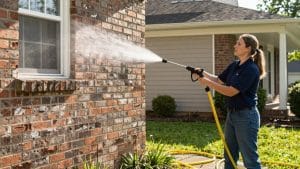
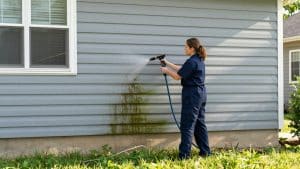
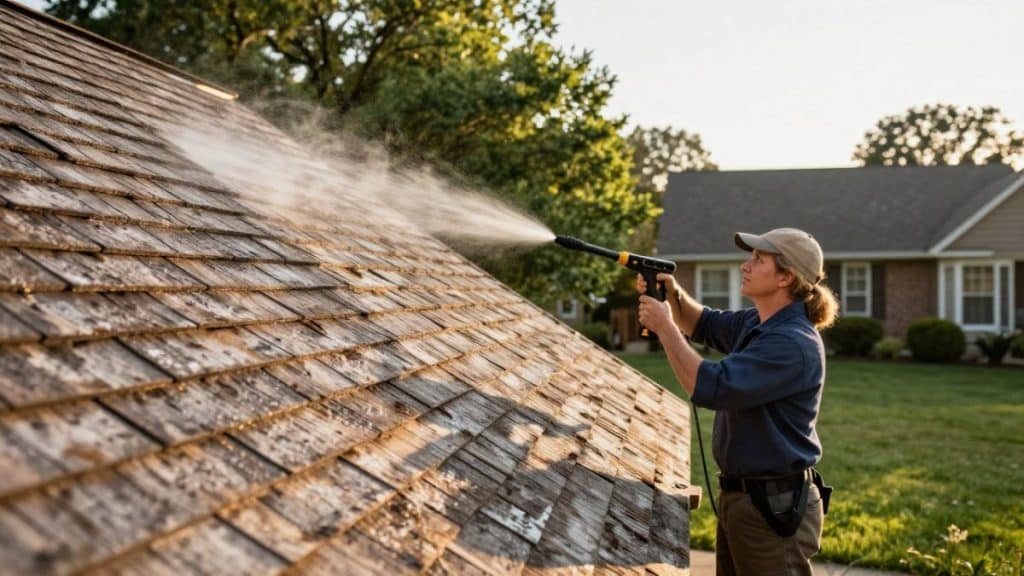
Soft washing is better for delicate surfaces because it uses low pressure and a cleaning solution instead of force. The solution breaks down dirt, mold, mildew, and algae, and a gentle rinse removes them, which lowers the risk of damage that high-pressure washing can cause on painted siding, trim, and shingles.
- Soft washing uses low pressure and a cleaning solution rather than high-pressure water.
- The cleaning solution breaks down dirt, mold, mildew, and algae before a gentle rinse removes them.
- Pressure washing suits thick grime on concrete or sturdy masonry, but soft washing is usually safer for painted siding, trim, and roofing.
- Vinyl siding, painted wood, stucco, and asphalt shingles generally handle soft washing well.
- Brick and other porous materials need a professional assessment before any soft washing work.
Table of Contents
- How Soft Washing Protects Delicate Surfaces
- Soft Washing vs. Pressure Washing: Which Fits Your Home
- Surfaces Safe for Soft Washing and How Often to Schedule It
- Frequently Asked Questions
Soft washing uses low pressure and a cleaning solution to clean exteriors, making it safer than high-pressure methods for delicate surfaces like painted siding, trim, and shingles. Curb Appeal Solutions, a woman and veteran-owned family business serving Greenville, SC, specializes in low-pressure cleaning for residential and commercial properties. Below, we explain how soft washing protects delicate materials, how it compares to pressure washing, and which surfaces it suits and how often to schedule it.
How Soft Washing Protects Delicate Surfaces
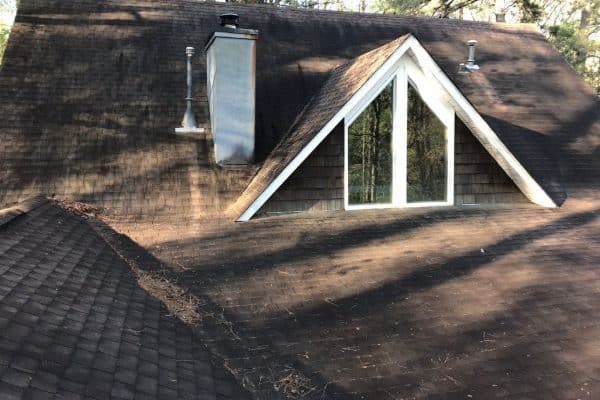
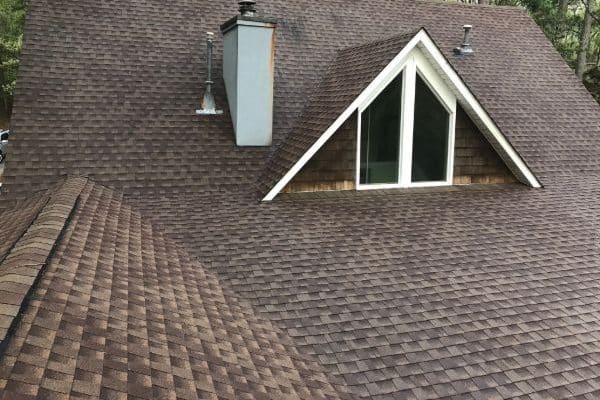
Soft washing is a low-pressure method that relies on a cleaning solution rather than force. The solution breaks down dirt, mold, mildew, and algae, and a gentle rinse removes it, reducing the risk of surface damage high-pressure washing can cause. Read whether soft washing is safe for roof shingles to see how it applies to roofing.
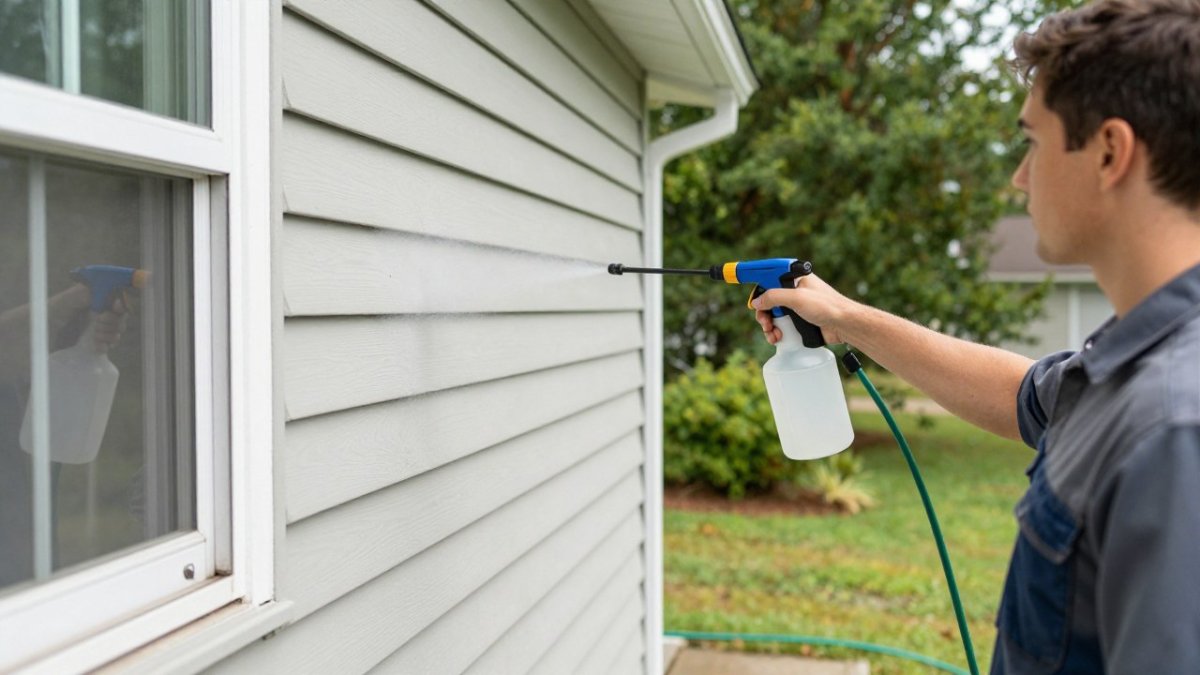
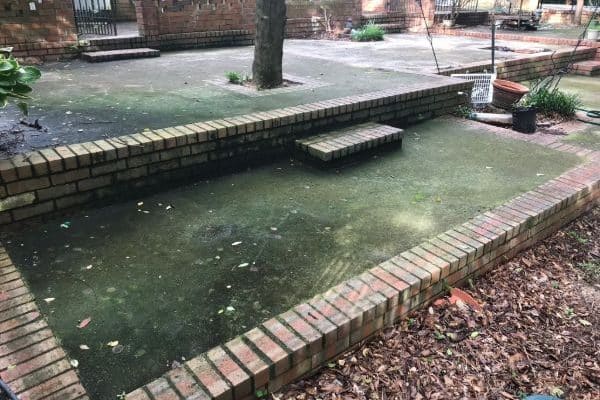
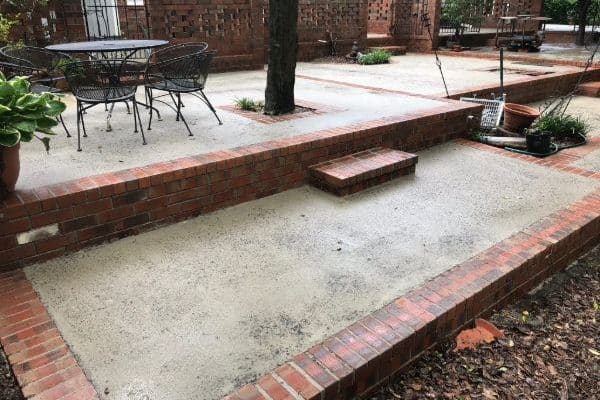
Mold and mildew often grow into porous surfaces, so removing them at the root matters more than blasting the surface clean.
Soft Washing vs. Pressure Washing: Which Fits Your Home
Soft washing uses low pressure with a cleaning solution, while pressure washing relies on high-pressure water to strip away dirt. Pressure washing works well for thick grime on concrete or sturdy masonry, but the lower-pressure approach is usually safer for painted siding, trim, and roofing.
The two methods differ in pressure, cleaning approach, and the surfaces they suit best. If you choose pressure washing for vinyl, learn which pressure washer nozzle works best for vinyl siding.
| Method | Best for | Key difference |
|---|---|---|
| Soft washing | Painted siding, trim, roofing | Low pressure with a cleaning solution |
| Pressure washing | Concrete, sturdy masonry | High-pressure water strips away dirt |
Surfaces Safe for Soft Washing and How Often to Schedule It
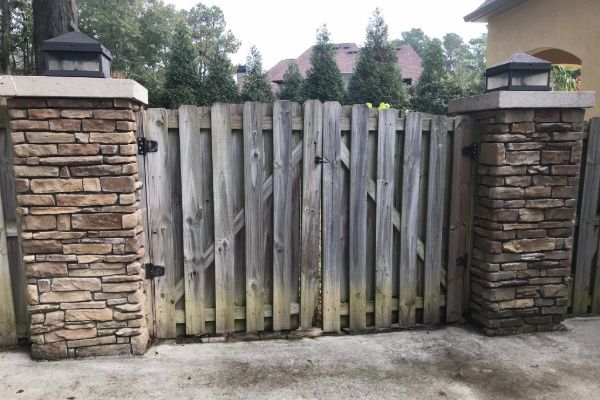
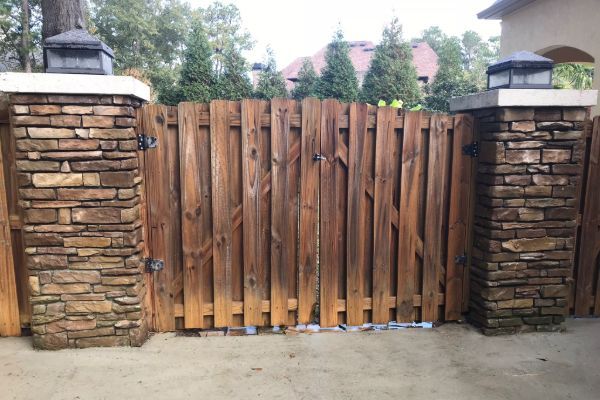
Vinyl siding, painted wood, stucco, and asphalt shingles generally handle soft washing well. Compare the best ways to clean delicate house siding to see how soft washing ranks among other options. Brick and other porous materials need careful assessment first, so ask a professional to check the surface. Check whether soft washing is safe for historic brick before booking any work on those walls.
Scheduling needs vary by property. See a simple schedule for how often to clean your house exterior for a general timeline to plan upkeep. Contact Curb Appeal Solutions for a quote and a recommended schedule for your surfaces.
Your home’s exterior deserves a method that protects it. Curb Appeal Solutions has earned over 1,700 five-star reviews across Google and Facebook, and our team uses low-pressure soft washing to remove mold and restore curb appeal without damaging delicate surfaces. Request a fast quote today and see the difference a gentle approach makes.
Frequently Asked Questions
Is it good to soft wash your house?
Soft washing is a good option for most siding, painted trim and many roofs because it relies on cleaning solutions and low pressure rather than force. That combination removes mold, mildew and algae while lowering the risk of stripping paint or granules. It is less suitable for heavy grime that needs mechanical action, so the right choice depends on the material and the type of buildup.
How often should a house be soft washed?
The right frequency depends on the property, and shaded or wooded lots in the Upstate may need service more often because organic growth returns faster there. Scheduling the service before selling a home or before the humid months helps keep the results looking clean. A professional can assess your siding, roof and trim and recommend an interval that fits your property.
Can soft washing damage siding or plants?
Soft washing is designed to reduce damage, but the cleaning solution can affect plants and sensitive surfaces if it is not applied correctly. Good practice includes pre-wetting and rinsing nearby vegetation, using products formulated for exterior cleaning, and controlling runoff. Ask any contractor how they protect landscaping and what chemicals they use before the work begins.