Last Updated: November 18, 2026
Quick Summary
Prevent water damage during pressure washing by checking the threshold sweep and door seals before you spray, sealing gaps with fresh caulking, and pointing the nozzle down and away from the door. Never aim water at the gap under the door, keep spray at a low angle, and dry the threshold right after washing.
- Inspect the threshold sweep and door seals before spraying near an entry door.
- Apply fresh caulking to seal gaps before washing.
- Keep spray at a low angle and never spray upward.
- Use low pressure and a wide fan nozzle on windows and siding.
- Turn off power to exterior outlets at the breaker and cover each cover plate with plastic and waterproof tape.
Table of Contents
- Preventing Pressure Washing Door Threshold Water Damage
- Pressure Washing Windows and Siding Safely
- Protecting Electrical Outlets Before Pressure Washing
- Frequently Asked Questions
Preventing Pressure Washing Door Threshold Water Damage
Water damage from pressure washing often starts at the door threshold, where a thin seal keeps outside water from your interior floors. This problem is most common on older entry doors with worn sweeps. Because a worn door sweep can let wash water reach interior floors, preparing your home for pressure washing should include checking the threshold seal and protecting the entry before work begins.
The fix is simple. Check the threshold sweep and door seals before you spray. Point the nozzle down and away from the door. Never aim water at the gap under the door.
- Seal gaps with fresh caulking before washing
- Keep spray at a low angle, never upward
- Dry the threshold right after washing
Before you start, learn how to prepare your home for pressure washing so entry areas stay dry.
Keep these threshold precautions in mind before you spray near an entry door.
| Step | What to do |
|---|---|
| Check seals | Inspect threshold sweep and door seals before spraying |
| Seal gaps | Apply fresh caulking before washing |
| Aim nozzle | Point down and away from the door |
| Spray angle | Keep spray at a low angle, never upward |
| After washing | Dry the threshold right after washing |
Pressure Washing Windows and Siding Safely
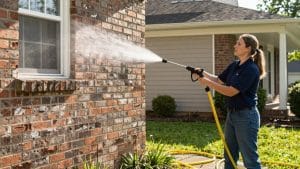
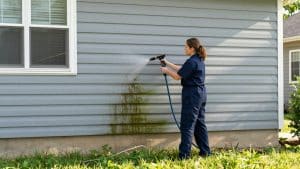
Windows and siding generally call for low pressure and a wide spray pattern to avoid damage.
Use a gentle washing approach on vinyl siding. Keep the nozzle moving and hold a steady standoff distance. Avoid spraying upward beneath siding, which pushes water into exterior walls.
A common mistake is blasting window seals directly. That leads to leaks and callbacks.
- Test a small, inconspicuous area first
- Use low pressure and a fan nozzle
- Stop spraying upward under siding
Delicate siding needs gentler methods, so review the best ways to clean delicate house siding. Also check common pressure washing mistakes to avoid before you begin.
Protecting Electrical Outlets Before Pressure Washing
Electrical connections and outlets are an important safety consideration in any exterior cleaning job. Protect every outlet, fixture, and cord before the wand comes out.
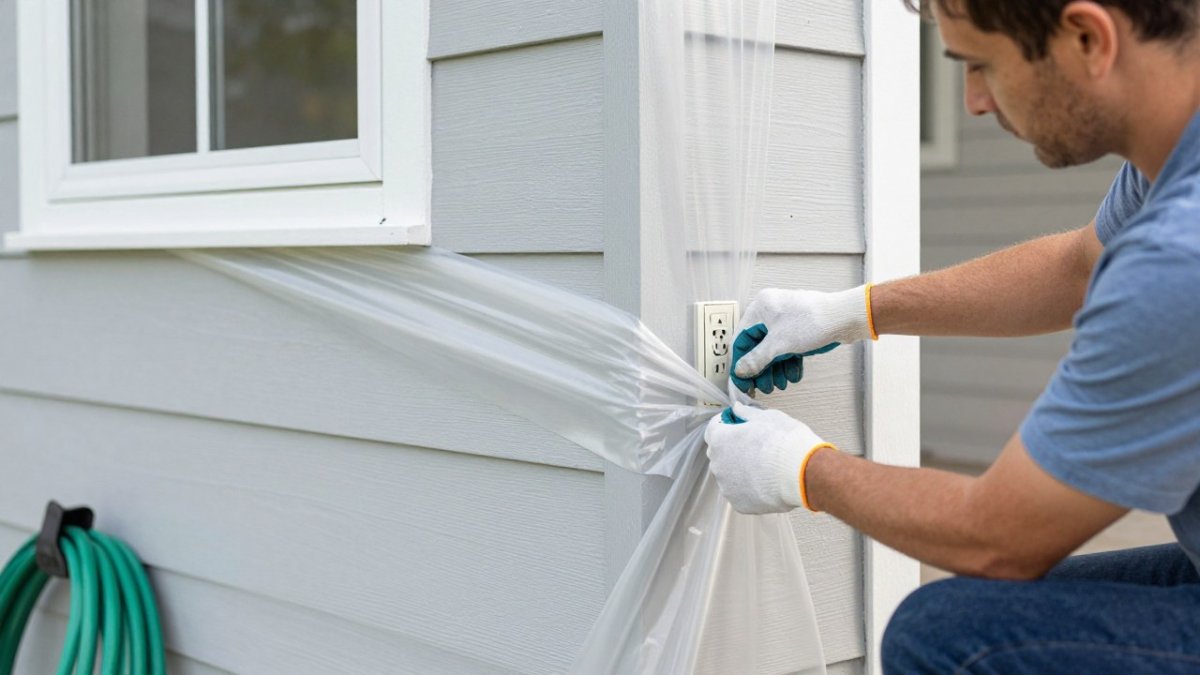
Turn off power to exterior outlets at the breaker. Cover each cover plate with plastic and waterproof tape. Keep the power cord and extension cord out of standing water. Wear rubber-soled shoes and protective equipment.
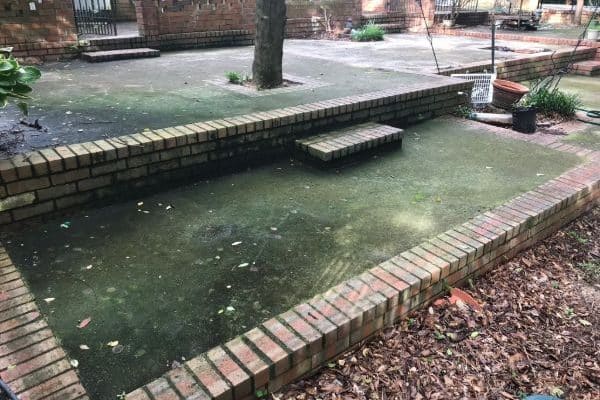
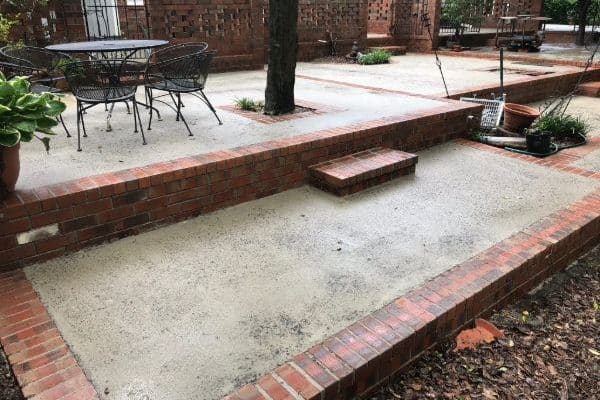
Watch out: spraying near an uncovered outlet can cause a shock or trip the breaker. If you are unsure how much pressure nearby surfaces can take, read whether pressure washing is safe for old concrete first.
Water intrusion and seal failure are easy to prevent with the right habits: check seals first, use low pressure, and protect outlets. When a home has stubborn mold, red clay stains, or delicate surfaces, our team handles it with low-pressure washing, roof cleaning, and gutter maintenance backed by a 100% satisfaction guarantee. Get started with Curb Appeal Solutions and keep your exterior clean without the risk.
Frequently Asked Questions
How do you keep water from getting under a door when pressure washing?
Check the door sweep and threshold seal before you start, and replace any cracked or loose weatherstripping. Tape a plastic sheet over the threshold and the bottom few inches of the door, then spray at a downward angle from at least a couple of feet away. Never aim the nozzle straight into the gap under the door, and keep the spray moving so water does not pool against the base. If the seal is already failing, skip that area and clean it by hand.
What pressure and nozzle should you use to wash a house safely?
For siding, windows, and painted trim, stay on low pressure and use a wide-angle nozzle, usually 25 or 40 degrees, held several feet back from the wall. High pressure and narrow nozzles belong on concrete, not on siding or seals. Gentle, low-pressure cleaning is generally the safer choice for vinyl siding, painted wood, and anything near a window or door. Test a small hidden area first to confirm the surface handles it.
What should you do if water gets inside during pressure washing?
Stop spraying that area immediately and shut off the machine. Dry the interior right away with towels and fans, pull back any rugs or carpet, and check for moisture around baseboards, outlets, and window frames. Photograph the damage before cleanup for insurance records. If water reached drywall, insulation, or an electrical fixture, call a professional rather than waiting to see if it dries. Preventing water damage during pressure washing comes down to inspection first and a quick response when something goes wrong.