Table of Contents
- Visible Signs Your Home Needs Professional Pressure Washing
- How Often to Pressure Wash a House
- Pressure Washing Siding Safely vs. Soft Washing
- Frequently Asked Questions
Last Updated: October 8, 2026
Visible Signs Your Home Needs Professional Pressure Washing
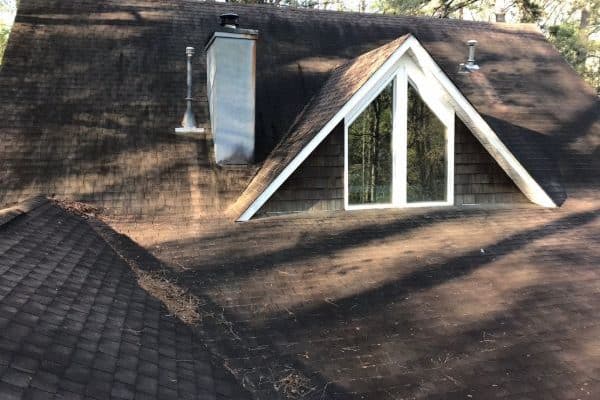
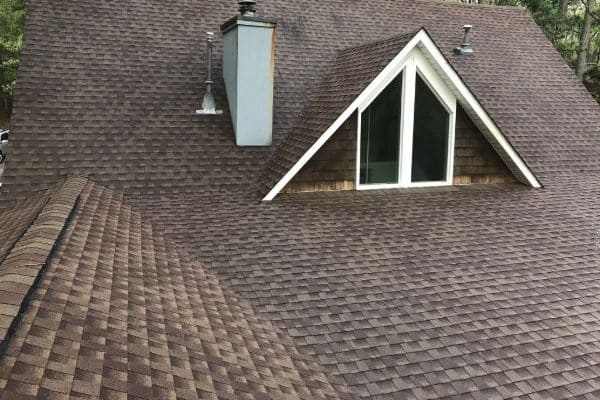
Black streaks on siding, green algae on roof shingles, and red clay stains on your driveway are all signs your home needs professional pressure washing. These aren’t just cosmetic, they signal that organic growth and environmental buildup have taken hold.
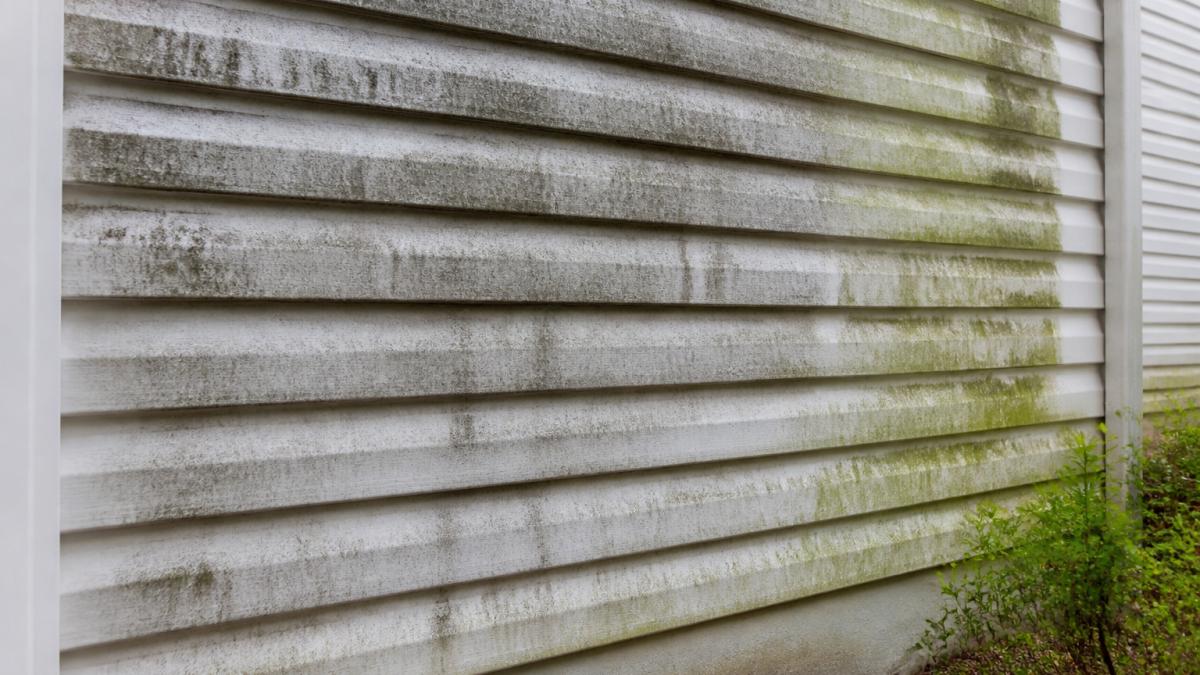
Here’s what to look for:
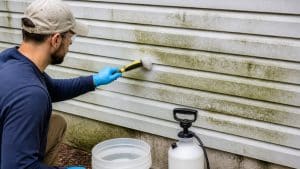
Black or green streaks on siding indicate mold, mildew, or algae, which thrive in moisture and shade, especially on north-facing walls, and penetrate the material itself.
Discoloration on roofs and gutters signals organic buildup: asphalt shingles accumulate algae spores that feed on their limestone filler, while gutters clogged with needles and leaves stay damp and accelerate growth.
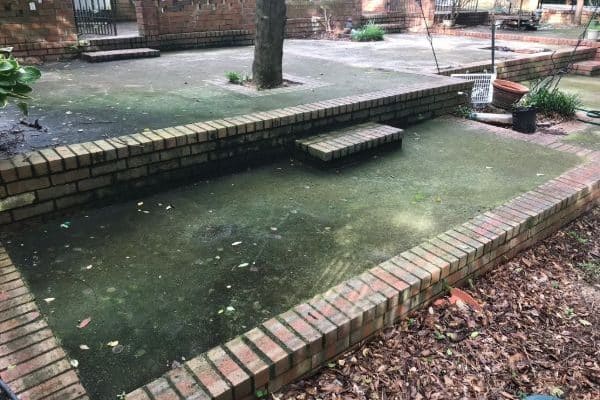
Oil stains, tire marks, and dark patches on driveways suggest environmental contamination. Red clay stains, common here, bond to concrete and asphalt and harden the longer they sit.
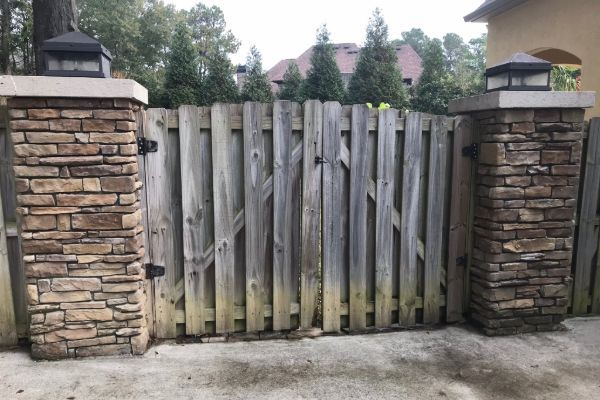
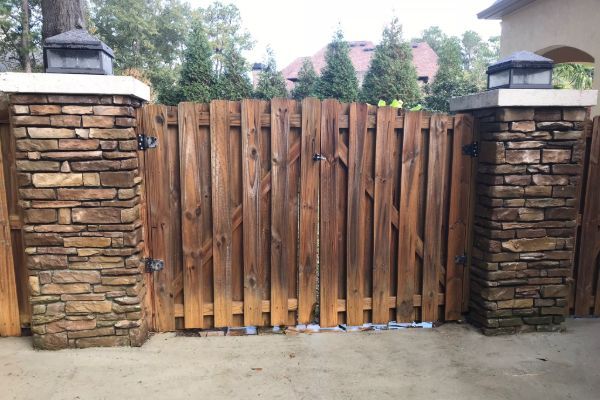
Pollen, sap, and weather residue coat windows, solar panels, and exterior surfaces after storms or heavy foliage seasons, reducing curb appeal and, on solar panels, energy efficiency.
The key distinction: harmless dirt rinses away with water. Mold, mildew, and algae require targeted treatment to kill at the root and prevent rapid regrowth.
How Often to Pressure Wash a House
Most homeowners should pressure wash their exterior annually or biannually, depending on local conditions; dense foliage, frequent storms, and high humidity accelerate organic growth and dirt.
Seasonal factors drive frequency: properties near trees need cleaning more often due to sap, pollen, and leaf debris; humid climates see faster mold and mildew; heavy-rainfall areas may need less frequent but deeper treatment; and coastal salt spray accelerates corrosion and staining.
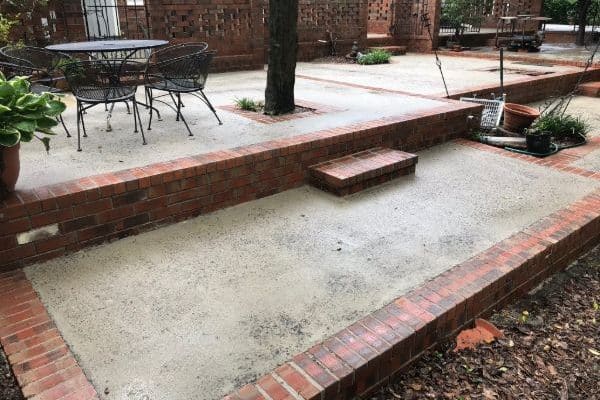
Professional pressure washing maintains curb appeal, prevents surface damage, and extends the life of exterior materials. Delaying lets organic growth spread deeper into siding, roofing, and concrete, making removal harder and costlier.
Pressure Washing Siding Safely vs. Soft Washing
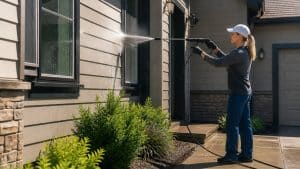
Not all exterior surfaces tolerate high-pressure water. Pressure washing siding requires understanding the material and the risks involved.
High-pressure washing can strip protective granules from asphalt shingles, damage wood siding, and force water into gaps where it causes rot, often discovered too late, after a service has already compromised the roof.
Soft washing uses lower pressure plus eco-friendly solutions to remove organic growth without surface damage, killing mold and algae at the source and protecting your materials.
Curb Appeal Solutions specializes in low-pressure techniques that remove black streaks from asphalt roofs, kill mold on siding, and restore concrete without damage, preserving your home’s protective layers.
Aggressive pressure washing may clean faster, but soft washing delivers lasting results and protects your investment.
Frequently Asked Questions
What’s the difference between mold, mildew, and algae on my home’s exterior?
Mold appears as black or brown spots and thrives in moist, shaded areas, it can damage wood and pose health risks. Mildew is a surface fungus that looks gray or white and is easier to clean. Algae shows up as green streaks and feeds on moisture and sunlight. All three indicate your home needs professional cleaning. Harmless dirt or pollen washes away with water, but organic growth requires specialized treatment to prevent rapid return.
How often to pressure wash a house to prevent mold and buildup?
Most homes benefit from professional pressure washing every 1-2 years, depending on local climate and foliage. Homes near trees or in humid areas may need annual cleaning. Driveways and walkways exposed to oil stains or tire marks often need attention every 1-3 years. Factors like storms, pollen levels, and roof shading affect frequency. A professional inspection helps determine your home’s specific maintenance schedule.
Is pressure washing siding safely different from power washing?
Yes. High-pressure equipment can strip protective granules from roofing, damage wood siding, and force water into gaps. Soft washing and low-pressure methods use specialized nozzles and eco-friendly solutions to remove mold, algae, and grime without surface damage. Your siding material, vinyl, wood, brick, or composite, determines the safest approach. Professional cleaners assess your home’s surfaces and choose the right pressure level to restore curb appeal without causing harm.
Ready to restore your home’s curb appeal? Curb Appeal Solutions removes and kills mold, eliminates stubborn stains, and increases your property’s visual impact with our low-pressure washing and roof cleaning services. We specialize in safe, eco-friendly methods that protect your siding, shingles, and concrete while delivering the pristine finish you want. Get a fast quote today and join over 1,700 satisfied neighbors who trust us for their exterior cleaning needs.