Table of Contents
- Roof Algae Treatment vs Roof Replacement: The Key Differences
- Signs of Asphalt Shingle Failure That Point to Replacement
- How to Choose: Cost, Lifespan, and Curb Appeal
- Frequently Asked Questions
Last Updated: September 28, 2026
Roof Algae Treatment vs Roof Replacement: The Key Differences
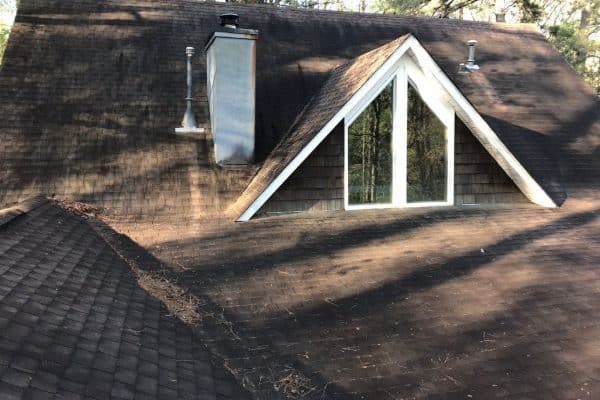
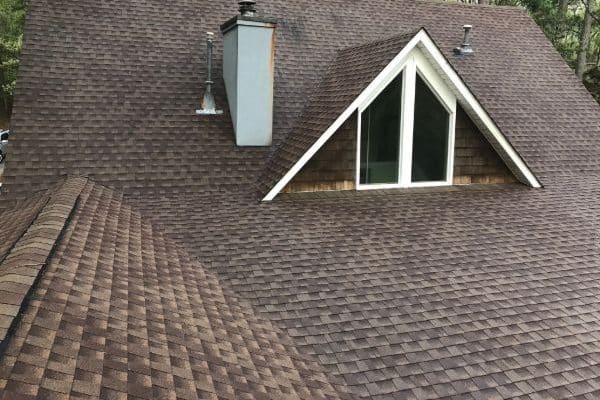
Roof algae treatment kills and removes gloeocapsa magma, the cyanobacteria behind dark streaks on asphalt shingles; roof replacement rebuilds the entire roofing system. The choice comes down to shingle condition, not stain severity, and at Curb Appeal Solutions, most streaked roofs we see do not need replacement.
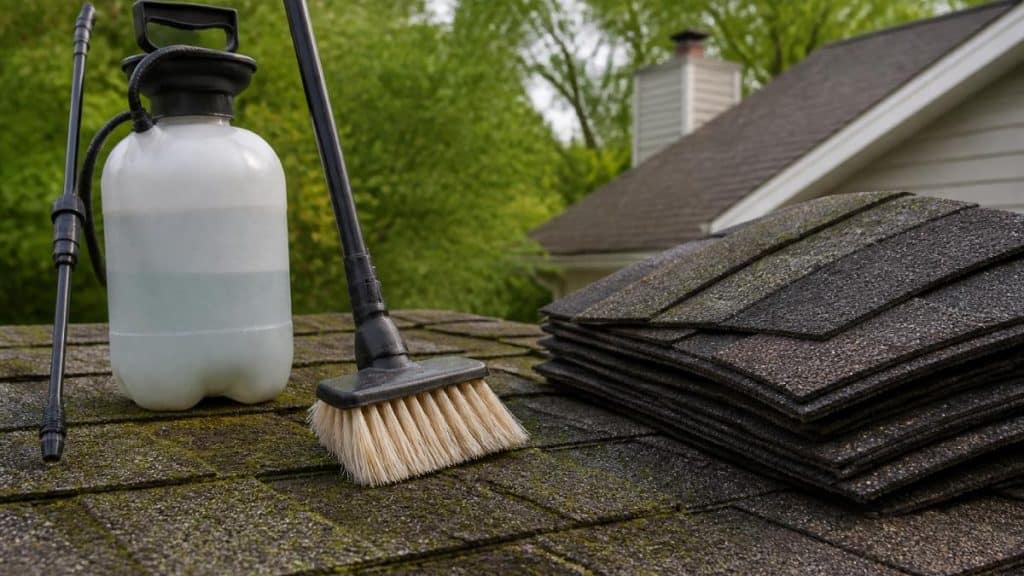
Algae feeds on limestone filler in shingles and holds moisture against the surface, shortening roof lifespan, not the discoloration itself.
Black streaks alone rarely justify a new roof. Curling, cracking, and granule loss do. Judge the shingle, not the stain.
| Factor | Roof Algae Treatment | Roof Replacement |
|---|---|---|
| Best for | Streaked shingles in good condition | Curling, cracked, or bald shingles |
| Addresses | Stains, organic growth | Structural failure, moisture damage |
| Lifespan impact | Removes the moisture source | Resets the clock entirely |
Signs of Asphalt Shingle Failure That Point to Replacement
Shingle failure shows up as curling edges, cracking, granule loss, and soft spots, signs that mean replacement, not cleaning. Algae stains sit on top of the shingle; failure happens inside it.
The American Society of Home Inspectors recommends a professional home inspection overview when homeowners are unsure whether damage is surface-level or structural. A few things separate cosmetic staining from real failure:
- Curling shingles: edges lift and trap water underneath
- Granule loss: bald patches expose the asphalt layer to UV rays
- Cracked or missing shingles: direct paths for moisture damage
- Sagging or soft decking: structural integrity already compromised
Two or more of these means cleaning will not fix the problem.
The Asphalt Roofing Manufacturers Association publishes guidance on shingle degradation and when repair no longer makes sense. Their position is straightforward: once the mat is compromised, no surface treatment restores it.
How to Choose: Cost, Lifespan, and Curb Appeal
Choose treatment when shingles are sound and the goal is removing organic growth and restoring curb appeal. Choose replacement when the roof is near the end of its service life or shows structural failure.
Three factors decide it:
- Cost: professional roof cleaning costs a fraction of replacement; pricing depends on roof size, pitch, and stain severity. Request a quote for exact numbers.
- Lifespan: treatment extends healthy shingles’ life by removing moisture-retaining growth; replacement only makes sense on a failing roof.
- Curb appeal: cleaning delivers the same visual result on a sound roof for far less.
For sellers, a clean roof supports appraisal value without the cost of a new one. Professional soft washing delivers immediate results without pressure washing damage.
That’s where Curb Appeal Solutions comes in: our low-pressure soft washing removes black streaks from asphalt roofs and kills mold at the source, backed by a 100% satisfaction guarantee and more than 1,700 five-star reviews. For sound shingles, treatment is the smarter call.
Most homeowners facing dark streaks assume the worst and budget for a new roof, usually unnecessarily. If your shingles are still flat, intact, and holding their granules, a professional roof algae treatment from Curb Appeal Solutions will remove the growth, restore curb appeal, and protect the shingles you already have. Our low-pressure method, eco-friendly cleaning agents, and veteran and woman-owned team make it easy to get a fast quote.
Frequently Asked Questions
Does roof algae cause permanent structural damage?
Algae itself is mostly a surface issue, but it holds moisture against the shingles and speeds up granule loss. Over time that moisture can reach the underlayment and decking, which is where real structural damage starts. If you catch the black streaks early, roof algae treatment usually stops the spread and protects the shingles. Once shingles are curling, cracking, or missing, the damage is past the surface and replacement becomes the safer call.
Is soft washing safe for roof shingles?
Yes. Soft washing uses low pressure and a cleaning solution to kill algae at the root instead of blasting it off. The Asphalt Roofing Manufacturers Association recommends a bleach-and-water mix applied at low pressure because high-pressure washing strips the protective granules and shortens roof lifespan. A trained technician adjusts the mix for your shingle type and rinses landscaping before and after, so the shingles stay intact and the stains stay gone.
How can I tell if my roof needs cleaning or replacement?
Look at the shingles, not just the stains. Black streaks, moss, or lichen with shingles that still lie flat and hold their granules usually means cleaning is enough. Curling edges, bald patches, cracked shingles, or granules collecting in gutters point to failure. If your roof is past 15 to 20 years old and shows those signs, get a roof inspection before spending money on treatment.