Table of Contents
- Step-by-Step: How to Remove Mold from Concrete Driveway Naturally
- Best Tools for Cleaning Concrete Driveways
- Low-Pressure Washing for Driveway Maintenance
- Natural Cleaning Solutions vs. Chemical Cleaners
- Safety Precautions and Protective Gear
- Dwell Time and Surface Reaction
- Scrubbing Techniques and Tools
- Rinsing and Post-Cleaning Maintenance
- Preventing Future Mold Growth
- Identifying Mold vs. Mildew vs. Algae
- Troubleshooting Stubborn Stains
- Surface Sealing After Cleaning
- Eco-Friendly Runoff Management
- Frequently Asked Questions
Last Updated: September 27, 2026
Step-by-Step: How to Remove Mold from Concrete Driveway Naturally
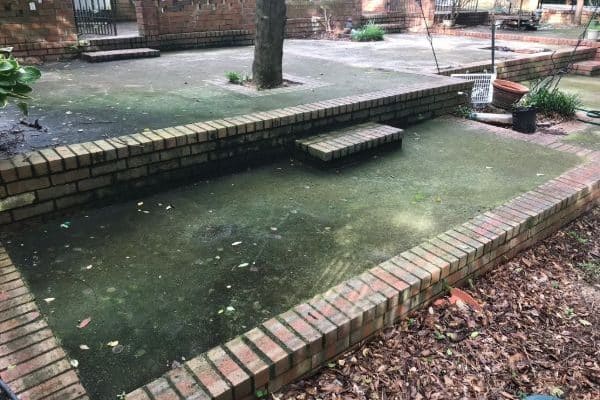
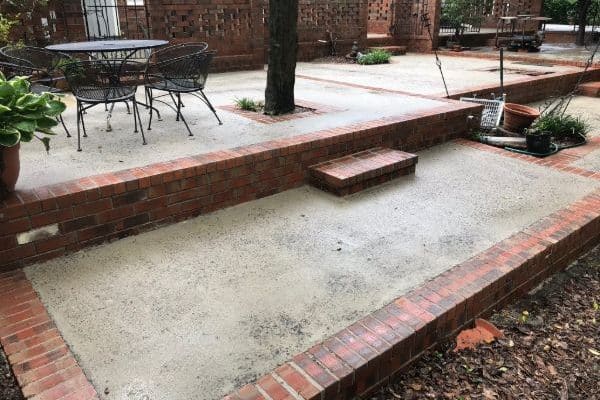
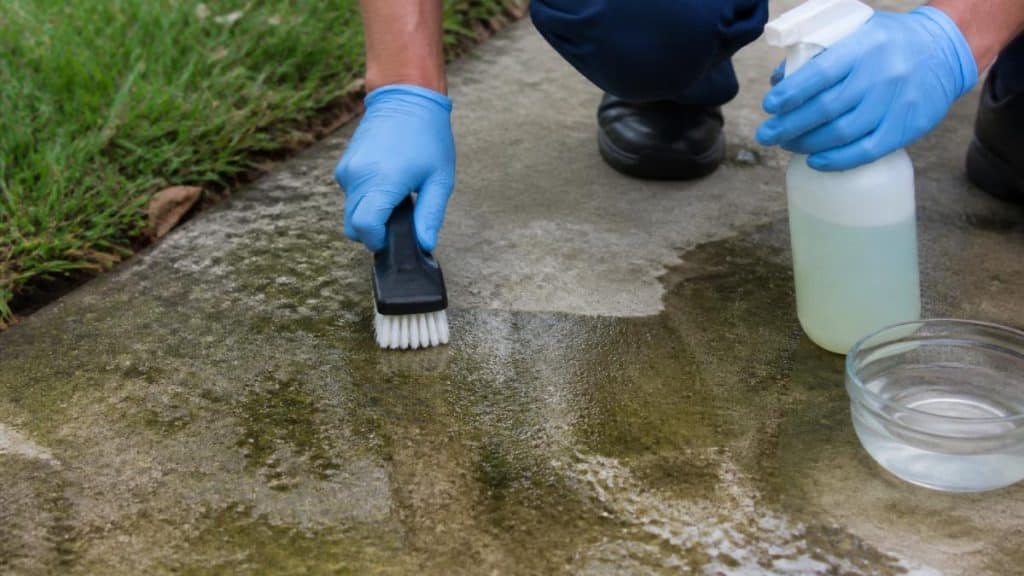
Mold on concrete is living growth: how to remove mold from concrete driveway naturally means killing spores first, scrubbing stains second. Concrete is porous, so mold roots into tiny holes and a quick rinse will not fix it. The short version: suit up, apply a natural solution, respect dwell time, scrub with a stiff bristle brush, rinse, dry, and seal.
Best Tools for Cleaning Concrete Driveways
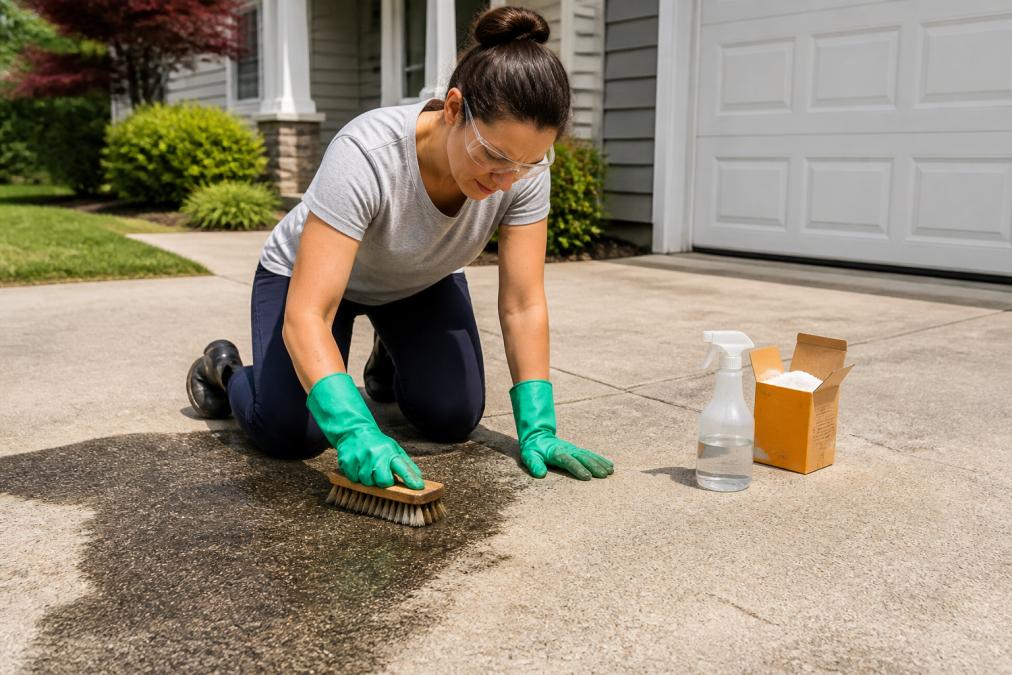
The best tools are a stiff bristle brush, garden hose, pump sprayer, and low-pressure washer. Skip full-blast pressure, which chips concrete and pushes water into cracks; use stiff bristles, never wire.
| Tool | Job | Watch Out For |
|---|---|---|
| Stiff bristle brush | Scrubbing mold and mildew | Wire bristles scratch concrete |
| Garden hose | Rinsing and clearing debris | Weak on caked-on grime |
| Pump sprayer | Even application of solution | Cheap seals leak |
Never mix vinegar or hydrogen peroxide with bleach. That mix can release harmful fumes. Pick one method and stick with it.
Low-Pressure Washing for Driveway Maintenance
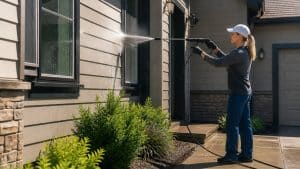
Low-pressure washing lifts mold, algae, and dirt without harming concrete, making it the safest deep clean for cracked or older surfaces. Use a wide fan tip and keep the nozzle moving. A hose and brush handle routine upkeep; save the washer for a deep clean once or twice a year.
Natural Cleaning Solutions vs. Chemical Cleaners
Natural solutions kill mold with less risk to kids, pets, and runoff. Vinegar and water, baking soda paste, and hydrogen peroxide all work on organic growth and are biodegradable.
- Vinegar and water: Light mold and surface discoloration.
- Baking soda: Mild abrasive paste for stubborn spots.
- Hydrogen peroxide: Darker stains; helps disinfect.
Add a few drops of dish soap to your vinegar and water mix. It helps the solution cling to sloped concrete instead of running off before it can work.
Safety Precautions and Protective Gear
Mold spores irritate eyes, skin, and lungs, so gear up first: goggles, rubber gloves, long sleeves and pants, closed-toe shoes, and a mask if you are sensitive. Work on a mild, overcast day and keep pets and kids inside until the area is rinsed and dry.
Dwell Time and Surface Reaction
Dwell time is how long the solution sits before scrubbing, and it decides whether the mold actually dies. Let vinegar mixes soak into the porous surface and baking soda paste sit on stains; rinse too soon and mold grows back fast.
Scrubbing Techniques and Tools
Scrub in small circles, not long strokes, without gouging the surface. Work top to bottom and rinse your brush often, since a loaded brush smears spores back onto the concrete. For tough patches, scrub, let the solution sit again, then scrub once more.
Rinsing and Post-Cleaning Maintenance
Rinse thoroughly with a garden hose, pushing loosened mold and cleaner away from plants and storm drains. Once dry, spot-treat leftover stains, then plan preventative maintenance.
Preventing Future Mold Growth
Mold returns with moisture and shade. To prevent mold on concrete, trim back trees and bushes, fix low spots where water pools, sweep debris weekly, re-clean shaded areas more often, and seal after cleaning. Sealing is the step most people skip: it fills pores so spores have nowhere to grip.
Identifying Mold vs. Mildew vs. Algae
Not every dark patch is mold. Mold is fuzzy, raised, black or green, in damp shade; mildew is flat, powdery, white or gray; algae is a slick green film on wet concrete. All three respond to the same natural cleaning approach; the difference is how stubborn the stain will be.
Troubleshooting Stubborn Stains
Red clay, rust, and deep-set mold need a second round: reapply your natural solution, extend dwell time, scrub with a stiffer brush, rinse, check in good light, then repeat once more before anything harsher. For rust or clay, a baking soda paste lifts discoloration vinegar will not touch; test a small spot first.
Surface Sealing After Cleaning
Sealing keeps mold away longer: a concrete sealer soaks into the porous surface and blocks the moisture mold needs. Wait until fully dry, apply thin even coats, and let it cure before parking; a sealed driveway also cleans up faster next time.
Eco-Friendly Runoff Management
Natural cleaners work best when you give them dwell time and pair them with sealing. Skip either step and the mold comes back within a season.
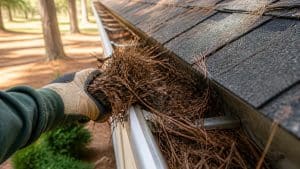
For stubborn red clay, steep driveways, or roofs and gutters, a professional low-pressure wash does the job without risking your concrete. Curb Appeal Solutions uses eco-friendly methods to remove and kill mold, restore curb appeal, and protect surface integrity, backed by a 100% satisfaction guarantee and over 1,700 five-star reviews. Get a fast quote from Curb Appeal Solutions and keep your driveway mold-free.
Frequently Asked Questions
Does vinegar kill mold on concrete driveways?
Yes, white vinegar is an effective natural mold killer because its acetic acid breaks down mold spores and inhibits regrowth. Spray undiluted vinegar directly onto the moldy area, let it sit for at least 30 minutes, then scrub with a stiff bristle brush. For stubborn spots, make a paste with baking soda and water, apply it over the vinegar, and scrub again. Rinse thoroughly with a garden hose and manage runoff to protect nearby plants.
How do you prevent mold from returning to a concrete driveway?
Preventing mold on concrete starts with reducing moisture and organic debris. Regularly sweep or rinse away dirt, leaves, and pollen that feed mold. Trim back overhanging branches to improve sunlight and airflow. After cleaning, apply a concrete sealer to block spores from settling into the porous surface. For ongoing maintenance, a low-pressure wash every few months removes early growth before it spreads, and it’s far gentler on the concrete than high-pressure blasting.
How long should natural cleaning solutions sit on concrete before scrubbing?
Dwell time matters for natural cleaners. Vinegar needs at least 30 minutes to penetrate mold, while a baking soda paste works best when left for 15 to 20 minutes. Hydrogen peroxide typically requires 10 to 15 minutes. Always keep the surface wet during dwell time; if it dries, reapply. After the dwell period, scrub with a stiff bristle brush, then rinse thoroughly with a garden hose, directing runoff away from storm drains and plants.