Table of Contents
- Step 1: Control Moisture and Indoor Humidity in Office Spaces
- Step 2: Inspect and Maintain Commercial Gutter and Drainage Systems
- Step 3: Respond Quickly to Water Damage and Establish an Inspection Schedule
- Frequently Asked Questions
Last Updated: October 15, 2026
Step 1: Control Moisture and Indoor Humidity in Office Spaces
Controlling moisture is the foundation for how to prevent mold growth office buildings. Mold thrives in damp environments, so managing indoor humidity stops it before it starts.
Keep relative humidity between 30-50%. Above 50%, mold spores settle and multiply on building materials.
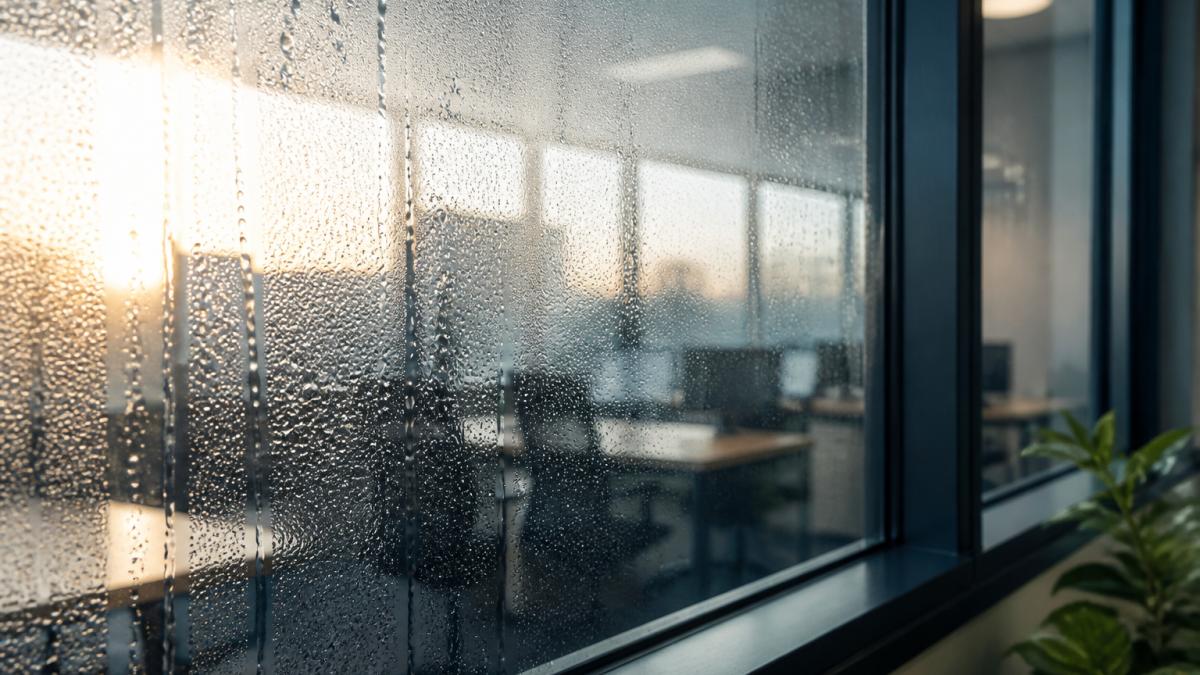
Condensation on windows, pipes, and cold surfaces signals moisture buildup. Wipe it daily and fix the source: leaks, flooding, poor ventilation, or damp areas near exterior walls.
Install dehumidifiers in problem zones like bathrooms and basements; HVAC systems with proper dehumidification handle larger spaces.
Change HVAC filters every 30 days during humid seasons; clogged filters reduce airflow and let moisture linger.
Step 2: Inspect and Maintain Commercial Gutter and Drainage Systems
Water intrusion from poor drainage is one of the fastest paths to mold growth in office buildings. Gutters, downspouts, and site drainage must work together to keep water away from your foundation and exterior walls.
Inspect gutters and downspouts quarterly, removing debris, and direct downspouts at least 4-6 feet from the foundation.
Check grading: water should slope away on all sides, since pooling against the foundation forces moisture into crawl spaces and basements where mold thrives.
Seal cracks in the building envelope, check exterior walls, foundation joints, and window frames, and caulk promptly.
Step 3: Respond Quickly to Water Damage and Establish an Inspection Schedule
Speed matters: the first 24-48 hours are critical. Materials that dry quickly prevent mold from taking hold; those left damp for days may need replacement.
If water damage happens, remove standing water immediately with pumps, wet vacuums, or towels, then run fans and dehumidifiers to dry affected areas within 48 hours.
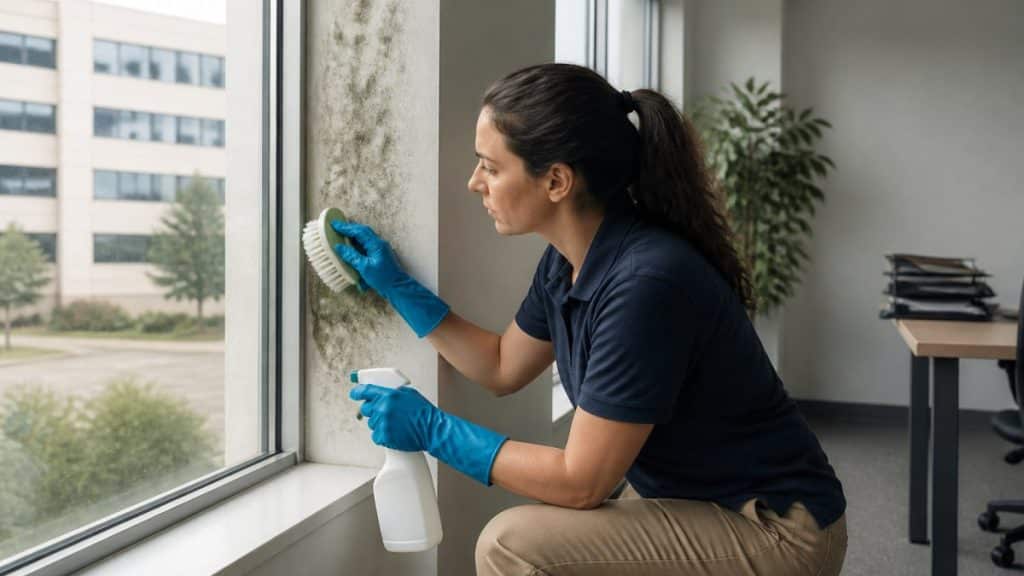
After water events, inspect for discoloration, dark spots, or musty odors. If you spot mold, isolate the area and call a professional, small visible mold can indicate larger contamination behind walls.
Create a routine inspection schedule, monthly walkthroughs catch small problems early. Check roof condition and flashing, gutters and downspouts, foundation and exterior wall cracks, HVAC filters, basement or crawl space moisture, and bathroom and kitchen ventilation.
Document findings in a maintenance log to spot patterns and plan preventive work.
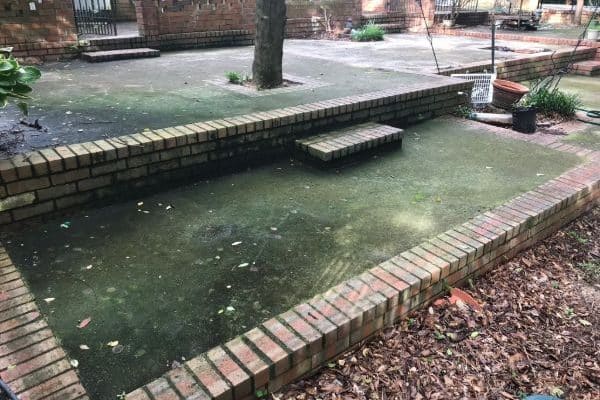
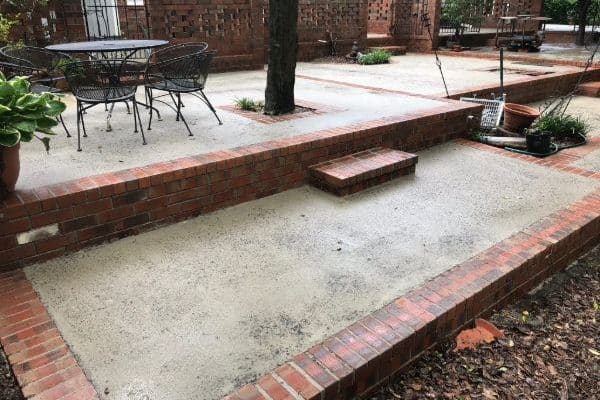
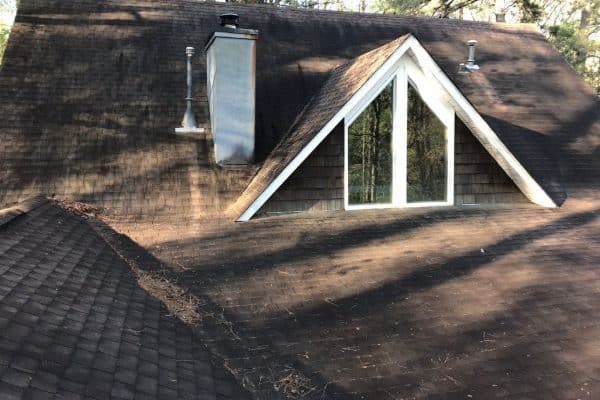
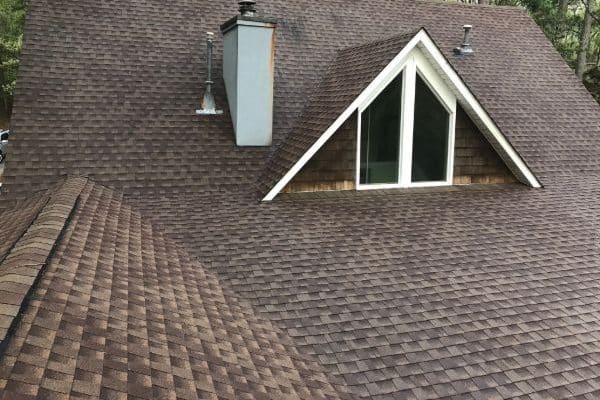
At Curb Appeal Solutions, we know that to prevent mold growth office buildings requires consistent attention to moisture, drainage, and quick response to water damage. Our low-pressure cleaning removes mold when it appears, but the real win is stopping it from growing, a clean, dry office building protects your investment and keeps your team healthy.
Mold in office buildings doesn’t happen overnight. It builds slowly from moisture that goes unmanaged. By controlling indoor humidity, inspecting drainage systems, and responding quickly to water damage, you eliminate the conditions mold needs to grow. The EPA’s guidance on mold prevention emphasizes moisture control as the primary defense. For buildings in humid climates or with persistent drainage challenges, professional cleaning and inspection services ensure you catch problems early. Curb Appeal Solutions specializes in identifying and removing mold while helping you establish the maintenance routines that prevent it from returning.
Frequently Asked Questions
How often should commercial gutters and downspouts be inspected?
Inspect gutters at least twice yearly, once in spring after winter weather and again in fall after leaf drop. In areas with heavy pine needle accumulation, quarterly inspections help prevent clogs that trap water and create mold conditions. Document each inspection to track debris patterns and plan maintenance timing. Clogged gutters are a leading cause of water intrusion into office building walls and foundations.
Can poor exterior drainage cause mold inside an office building?
Yes. Water that pools around the building foundation or flows toward the structure seeps through cracks and penetrations, raising indoor humidity and creating mold growth conditions. Grading should slope away from the building, downspouts should extend at least 4-6 feet out, and drainage systems must be clear. Poor site drainage is one of the most common moisture sources in commercial buildings and directly leads to interior mold problems if left unaddressed.
What should a property manager do immediately after discovering a water leak or damage in an office building?
First, stop the source of water if safe to do so. Extract standing water and begin drying affected materials within 24-48 hours using fans, dehumidifiers, and increased ventilation. Remove porous materials (drywall, carpet, insulation) that cannot dry completely. Document damage with photos for insurance. If drying cannot be completed within 48 hours or if mold is visible, contact a professional mold inspection and remediation service. Rapid response prevents mold colonization and minimizes structural damage.