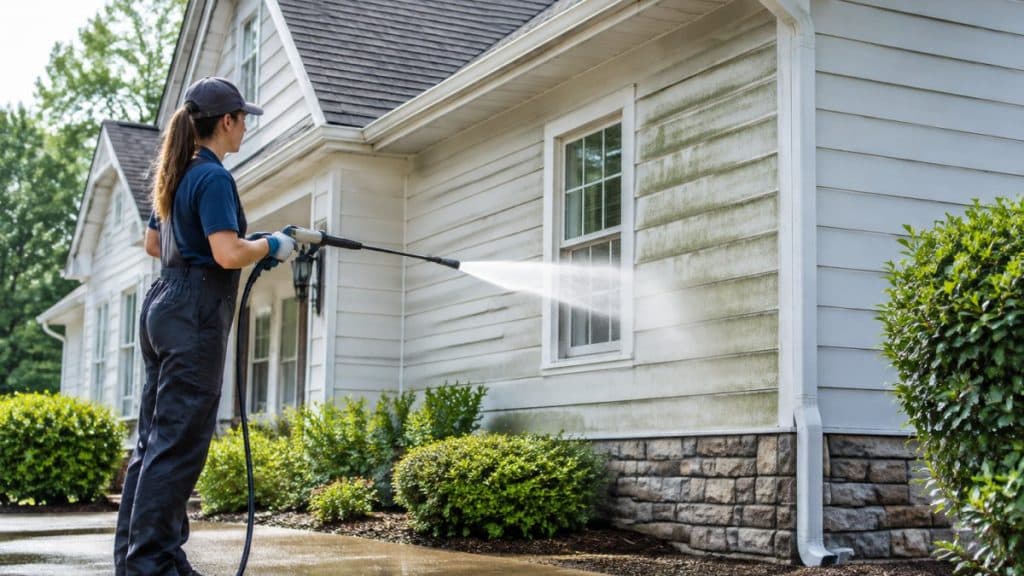
Last Updated: November 4, 2026
Quick Summary
Pressure washing can be a profitable small business when demand, pricing, costs, and safe work are managed carefully. Profit is revenue left after labor, fuel, repairs, insurance, taxes, and other job and business costs, so track expenses and time rather than judging by sales alone.
- Demand can come from residential cleaning and commercial contracts.
- Common equipment includes a pressure washer, hoses, nozzle tips, and a surface cleaner.
- Estimate each job based on its surface, access, and cleaning method.
- Check state and local licensing requirements, runoff rules, and insurance before taking jobs.
Table of Contents
- Is Pressure Washing a Profitable Small Business? The Main Factors
- Pressure Washing Business Startup Costs and Profit Margin
- Pressure Washing Business Pricing, Licensing, and Your Next Step
- Frequently Asked Questions
Is Pressure Washing a Profitable Small Business? The Main Factors
Whether is pressure washing a profitable small business depends on pricing, demand, costs, and safe work. A clean driveway alone doesn’t ensure profit. Check these factors before starting.
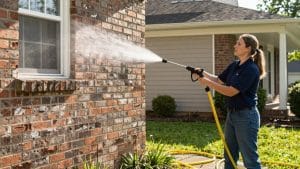
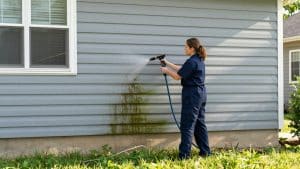
Pressure washing cleans exterior surfaces with controlled water pressure and, when needed, soft washing. Profit is revenue after labor, fuel, repairs, insurance, and taxes.
Track job time, supplies, travel, and equipment wear when setting rates; sales aren’t profit.
- Demand: residential cleaning and commercial contracts
- Costs: equipment, upkeep, insurance, and taxes
- Repeat work: maintenance plans and recurring revenue
For business basics, the [SBA guide to starting a business | sba.gov] explains planning and registration.
These are the main factors to check when assessing profitability.
| Factor | What the article says |
|---|---|
| Demand | Residential cleaning and commercial contracts |
| Costs | Equipment, upkeep, insurance, and taxes |
| Repeat work | Maintenance plans and recurring revenue |
Pressure Washing Business Startup Costs and Profit Margin
Startup costs depend on equipment, insurance, and transport. A pressure washer, hoses, nozzle tips, and surface cleaner are common tools; PSI and GPM determine suitable jobs. Start with safe services and add gear as demand grows.
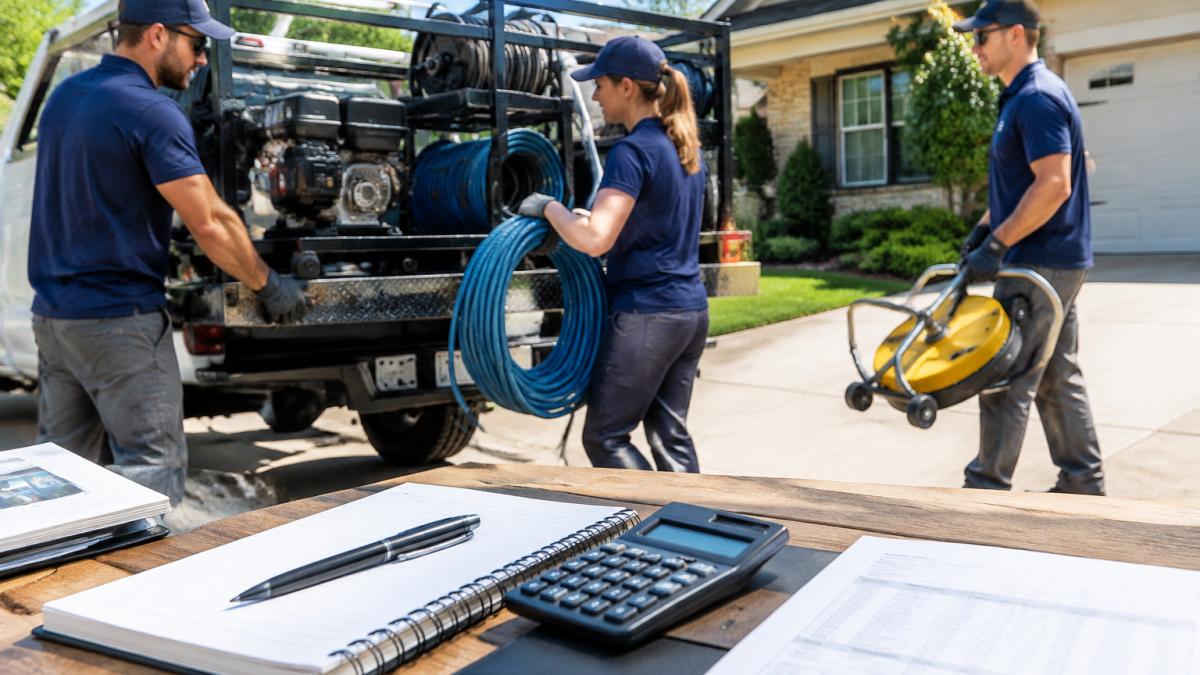
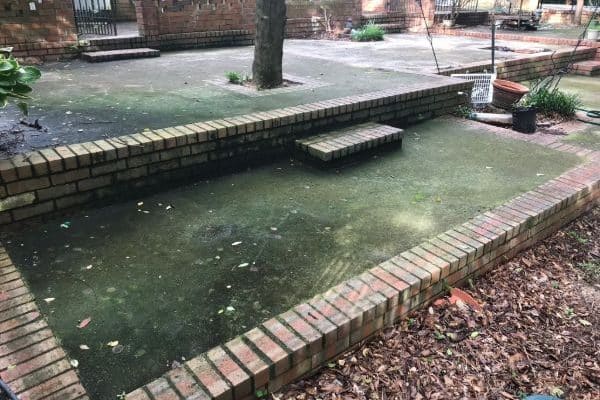
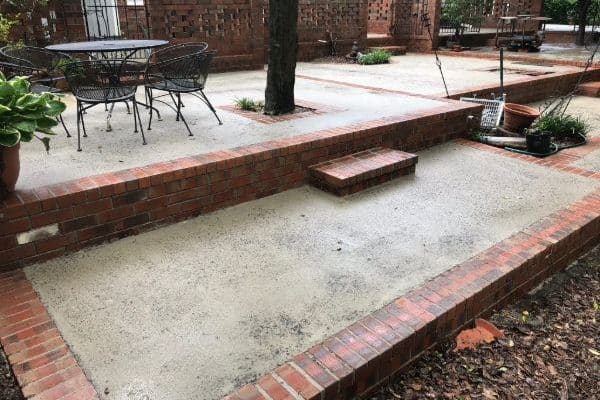
The crew’s equipment and time on each driveway job shape the margin, so tracking costs alongside other business profitability causes can reveal where earnings are slipping.
The pressure washing business profit margin is what remains after labor, travel, detergents, chemical dilution, maintenance, overhead, equipment depreciation, and seasonal income.
- Track job costs and time.
- Set aside money for repairs and taxes.
- Offer repeat cleaning.
The [IRS small-business tax guidance | irs.gov] can help you understand recordkeeping and tax duties.
Pressure Washing Business Pricing, Licensing, and Your Next Step
Pressure washing business pricing should cover time, travel, supplies, equipment wear, and insurance. Rates vary by surface, access, and method, so estimate each job rather than copying a rival. Careful pricing matters as much as leads when asking is pressure washing a profitable small business.
Licensing rules vary by location (Doing business in the Nevada District). Check state and local requirements using the [SBA license and permit guidance | sba.gov], and ask about runoff rules and insurance before taking jobs.
- Price by scope.
- Keep records for taxes and repairs.
- Use safe methods for each surface.
See commercial building pressure washing for a commercial service example, and roof cleaning service pricing for related costs.
Frequently Asked Questions
How much money can you make owning a pressure washing business?
Income depends on the number and type of jobs, local demand, operating costs, and how consistently you book work. Track revenue separately from profit, then subtract equipment maintenance, insurance, chemicals, fuel, taxes, and customer acquisition costs. The available research does not provide reliable earnings figures, so avoid treating online income claims as a forecast. Build estimates from your own service area, job estimates, and actual expenses.
What are the startup costs for a pressure washing business?
Startup costs vary with the equipment and services you plan to offer. Budget for a pressure washer, hoses, nozzle tips, a surface cleaner, detergents, safety gear, insurance, licensing requirements, and vehicle or transport needs. Include maintenance and replacement costs rather than counting only the initial equipment purchase. The research provides no verified cost figures, so price your own equipment and confirm local requirements before setting a launch budget.
How do pressure washing businesses find customers?
Local lead generation can include a clear service-area website, accurate business listings, customer reviews, referrals, and outreach to property managers or storefront owners. Show the services you actually provide. Track which channels bring inquiries and booked jobs so you can judge marketing ROI and customer acquisition cost. Repeat maintenance visits can also support recurring revenue.
Starting a pressure washing business means balancing steady lead generation with equipment upkeep and safe work. If you need exterior cleaning instead, Curb Appeal Solutions offers low-pressure cleaning, roof cleaning, and gutter maintenance. Get started with Curb Appeal Solutions and request a fast quote for your property.