Table of Contents
- Prevent Roof Shingle Damage With a Seasonal Inspection Routine
- How to Stop Granule Loss on Roof Shingles
- Is Soft Washing Safe for Roof Shingles? What Homeowners Should Know
- A Practical Maintenance Checklist for Long-Term Shingle Health
- When to Call a Professional for Roof Deterioration
- Frequently Asked Questions
Last Updated: September 9, 2026
Your roof is the only barrier between your home’s structure and decades of rain, UV radiation, and thermal swings. Preventing roof shingle damage is about consistent, low-stress maintenance rather than expensive reactive repairs. In this guide from Curb Appeal Solutions, a woman and veteran-owned exterior cleaning company serving Greenville, SC, we break down the specific routines that extend shingle life and protect your investment.
Prevent Roof Shingle Damage With a Seasonal Inspection Routine
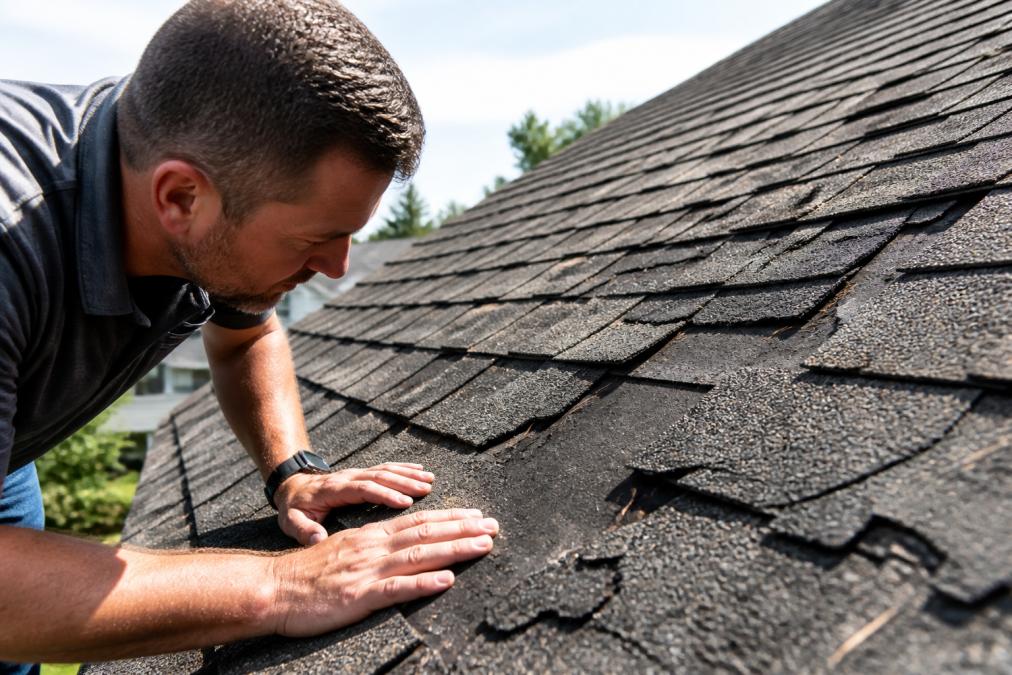
The single most effective strategy against premature roof failure is a structured, twice-yearly inspection. Assess the roof surface after winter and before fall storms, focusing on shingle curling, cracked shingles, and granule loss while they are still localized and easy to repair.
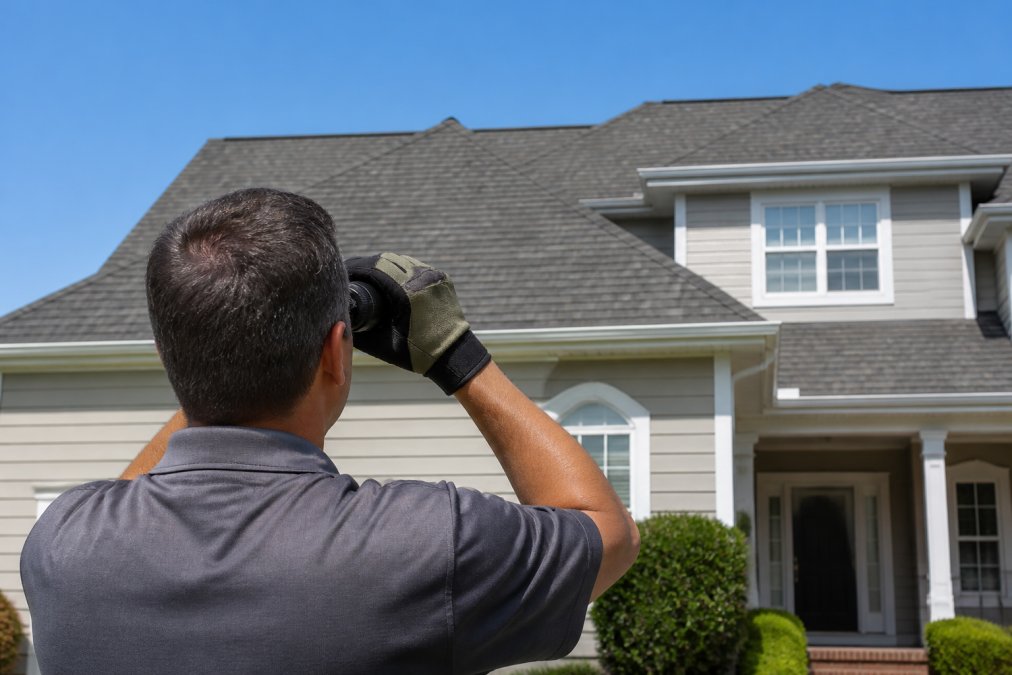
Pay close attention to flashing around chimneys and vents, and look for lifted tabs from thermal shock. A visual scan from the ground with binoculars, followed by close inspection of suspect areas, usually catches developing problems. If you notice widespread damage or are uncomfortable at height, a professional roof inspection is safer.
How to Stop Granule Loss on Roof Shingles
Granule loss is the most common sign of aging on asphalt shingles, accelerated by poor drainage and foot traffic. Granules protect against UV degradation, so when you notice them in gutters or downspouts, the protective layer is thinning (asphaltroofing.org). Address the two main accelerants: standing water and physical impact.
Keep debris off the roof to prevent moisture accumulation, which softens the shingle mat and releases granules faster. Never walk on a hot roof, as heat softens the asphalt. If granule loss is widespread with bare spots, the shingles require replacement rather than repair.
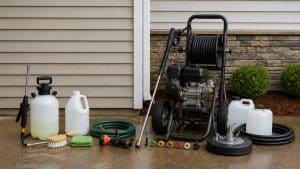
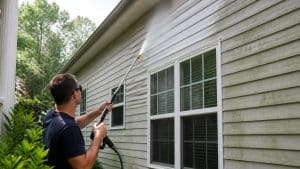
Never use a pressure washer on asphalt shingles (gaf.com). High-pressure water strips the protective granules and voids the manufacturer’s warranty. If cleaning is necessary, use a low-pressure soft wash method or call a professional who specializes in roof cleaning.
Is Soft Washing Safe for Roof Shingles? What Homeowners Should Know
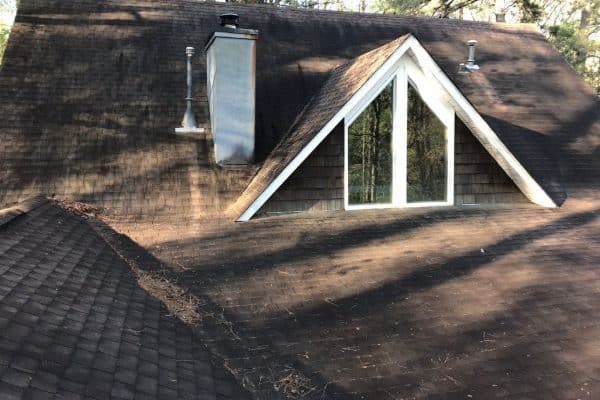
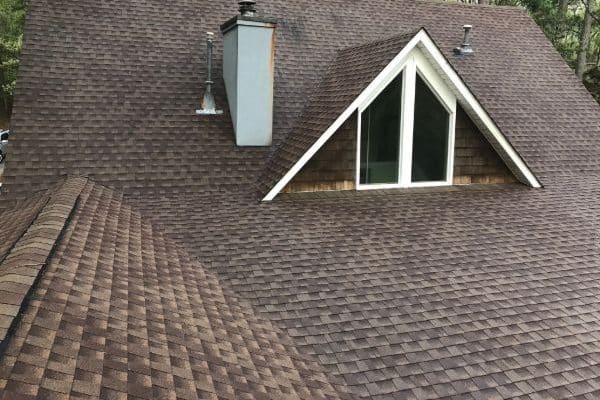
Soft washing is the only safe method for cleaning asphalt shingles without causing damage (rcabc.org). Unlike pressure washing, it uses low pressure with specialized solutions to kill mold, algae, and moss at the root, preserving the shingle’s structural integrity while removing black streaks and green growth.
For persistent moss or algae, soft washing is the recommended first step. After cleaning, many professionals install copper strips near the ridge line to prevent future growth. While DIY kits exist, the risk of wrong chemical concentration or technique is high, making professional roof cleaning a worthwhile investment.
If you are preparing your home for sale, a soft wash not only removes black streaks from asphalt roofs but also restores the shingle’s original color, significantly boosting your property’s visual appeal without the cost of a full replacement.
A Practical Maintenance Checklist for Long-Term Shingle Health
Preventing roof shingle damage requires managing the environment around the roof. A comprehensive checklist includes gutter maintenance and downspout clearance to ensure proper drainage, as clogged gutters cause water to back up under shingles along the eaves, leading to rot and interior leaks.
| Maintenance Task | Frequency | Primary Benefit |
|---|---|---|
| Visual roof inspection | Twice yearly | Early detection of cracked shingles and shingle curling |
| Gutter and downspout clearing | Seasonally | Prevents water backup and ice dams |
| Trim overhanging branches | Annually | Reduces debris and allows sunlight to dry the roof surface |
| Soft wash cleaning | As needed | Kills moss growth and algae without granule loss |
| Check attic ventilation | Annually | Reduces heat buildup that causes thermal shock |
Proper attic ventilation is critical. Without adequate airflow, heat and moisture accumulate, cooking shingles from underneath and causing premature curling and cracking. Ensure ridge and soffit vents are unobstructed to regulate temperature and prevent rot.
When to Call a Professional for Roof Deterioration
Certain situations demand professional intervention. If your inspection reveals widespread shingle curling, significant granule loss, or damaged flashing, attempting a repair without the right safety equipment is dangerous. Professional roofers have the harnesses, ladders, and insurance to handle these risks.
Professionals also identify subtle signs of weather exposure and structural issues that untrained eyes miss. If algae or moss returns quickly after cleaning, or you lack time for upkeep, hiring a service is practical. A professional cleaning every few years, combined with seasonal gutter maintenance, is often the most effective approach.
Protecting your roof from shingle damage comes down to consistent observation and timely action. Curb Appeal Solutions helps you overcome this hurdle with low-pressure roof cleaning that removes and kills mold without harming your shingles, backed by a 100% satisfaction guarantee and over 1700+ five-star reviews from neighbors in the Upstate. Get a fast quote today and let our team restore the beauty and integrity of your roof.
Frequently Asked Questions
Will insurance cover shingles blown off the roof?
Homeowners insurance typically covers shingle damage caused by sudden events like a severe storm or fallen tree. Gradual deterioration, such as granule loss from age or poor ventilation, is usually excluded. Document the damage with photos and call your insurer quickly. A roofer’s inspection report can strengthen your claim. If you hire a professional, ask whether they document findings in a way that supports insurance claims.
What is the best way to remove debris from roof shingles without damage?
Avoid pressure washers and metal shovels, which strip granules and loosen shingle adhesion. Use a leaf blower or a soft-bristle brush for dry debris. For moss or algae, soft washing with low pressure is the safe route. Never walk on the roof unless you have proper safety gear. When in doubt, hire a professional who follows roof safety protocols.
Does moss cause permanent damage to roof shingles?
Yes, if left untreated. Moss roots work under the shingle edges and lift them, allowing water backup during rain. This accelerates roof deterioration and can void your warranty. Removing moss promptly and installing copper or zinc strips helps prevent regrowth. Regular roof cleaning keeps moss from gaining a foothold in shaded, damp roof sections.