Table of Contents
- Why Mold Grows on House Siding
- Soft Wash vs Pressure Wash: Which Method Stops Mold
- How Often to Wash House Siding to Prevent Mold
- Best Mold Cleaner for House Siding and Preventative Barriers
- Frequently Asked Questions
Last Updated: September 3, 2026
Why Mold Grows on House Siding
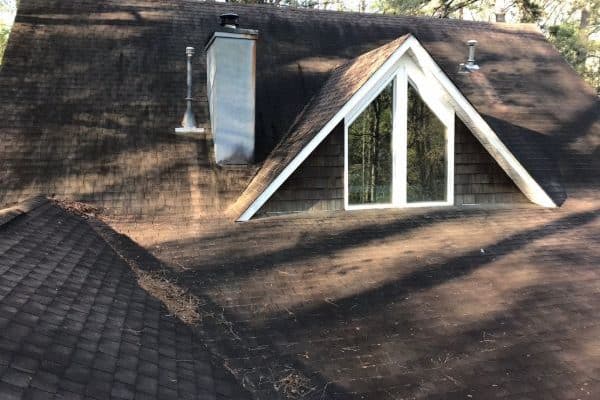
Mold thrives when three conditions align: moisture, organic debris, and limited sunlight. Moisture accumulation is the primary culprit, water from rain, sprinklers, or poor drainage creates an ideal environment for fungal spores to germinate. Shaded areas, particularly north and west-facing sides, stay damp longer and are where mold most often appears.
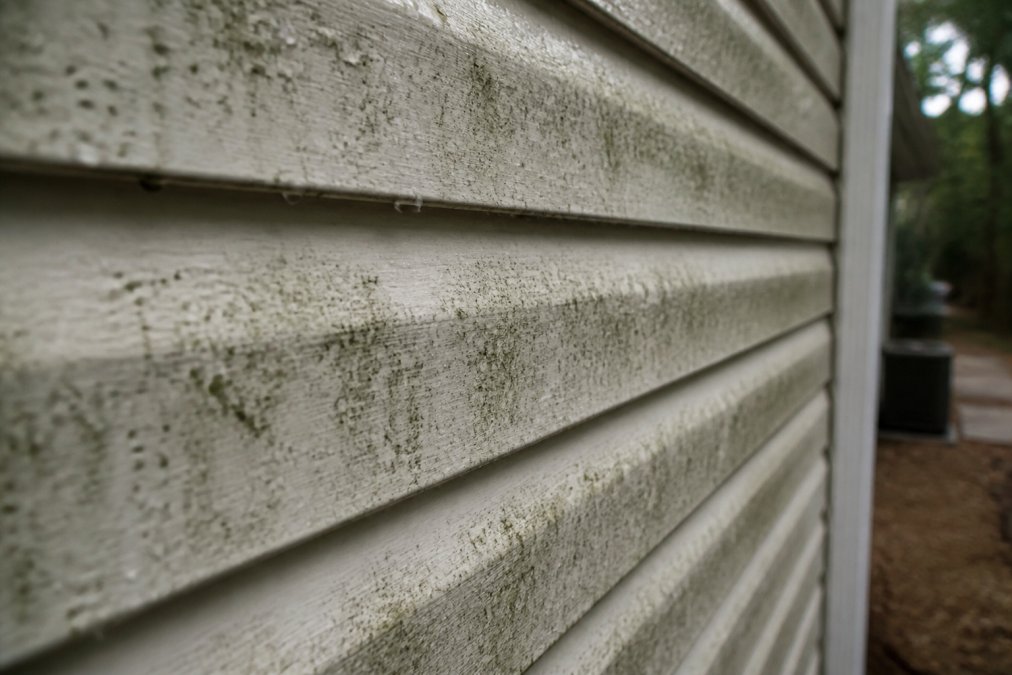
Organic debris compounds the problem. Leaves, pine needles, dirt, and pollen settle on siding and retain moisture, feeding mold growth. Clogged gutters prevent proper water runoff, forcing moisture to pool against your home’s exterior. Poor airflow accelerates the issue, trees and shrubs growing too close block ventilation and trap humid air. Trimming vegetation back 2-3 feet from your siding improves airflow and reduces moisture retention.
Soft Wash vs Pressure Wash: Which Method Stops Mold
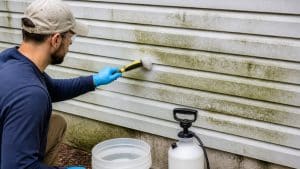
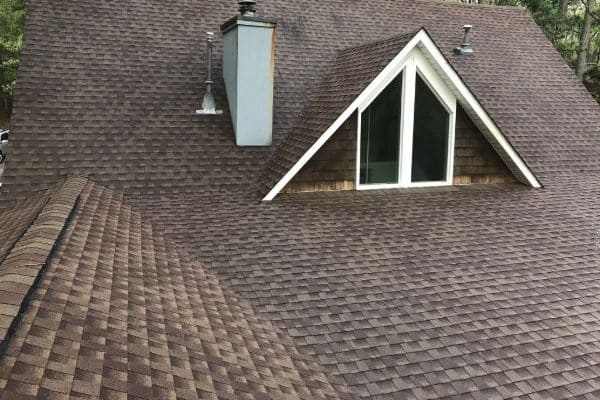
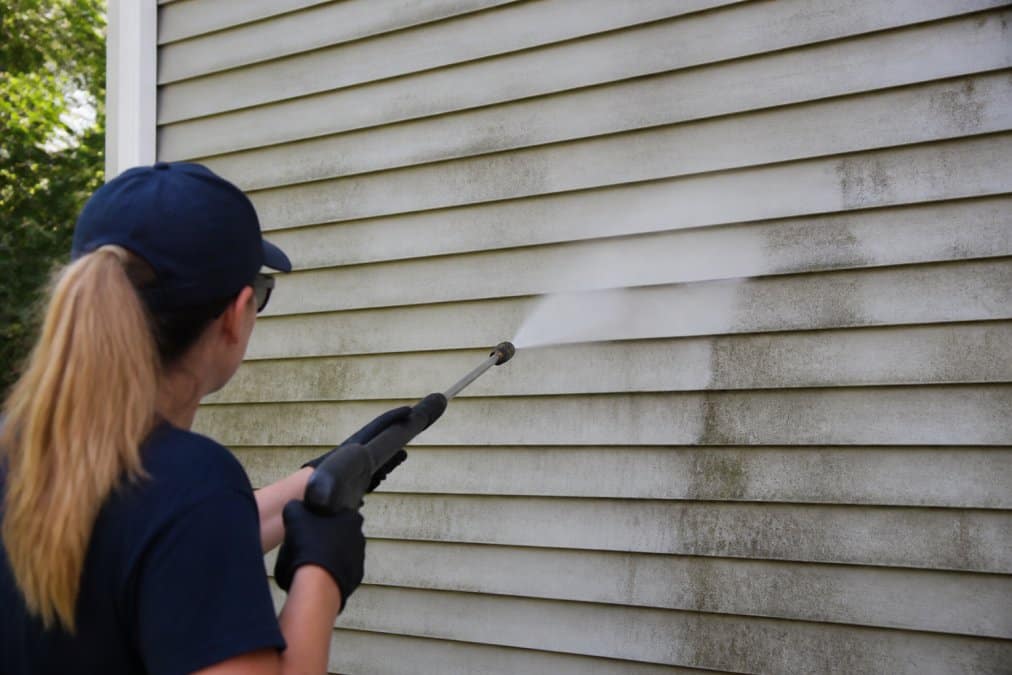
Soft washing uses low-pressure water (500 PSI or less) combined with biodegradable detergent and mildewcide treatments (the CDC). The detergent actively kills mold spores while protecting your siding’s finish. This method is ideal for vinyl siding, which can be damaged by high-pressure streams.
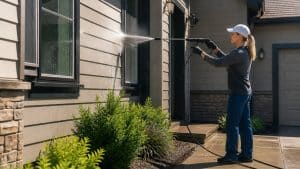
Pressure washing applies 2,500-4,000 PSI to blast away mold and buildup quickly, but risks damaging shingles, wood siding, and painted finishes (the EPA). For most homeowners, soft washing is the better choice, it removes and kills mold effectively while preserving siding integrity. At Curb Appeal Solutions, we specialize in low-pressure washing methods because they deliver lasting results without damage risk.
How Often to Wash House Siding to Prevent Mold
Most homeowners benefit from annual cleaning in spring or early summer to remove winter moisture and debris before humid months arrive. If you live in a shaded area or have dense trees nearby, biannual cleaning may be necessary. preventing mold regrowth.
Seasonal inspection matters more than rigid scheduling. After heavy rain or during humid spells, check for early mold signs: green slime, dark streaks, or musty smells. Catching mold early prevents it from spreading deeper into siding material. Preventative maintenance between professional washes, clearing gutters monthly, trimming vegetation, and ensuring downspouts direct water 4-6 feet from your foundation, reduces moisture accumulation and extends time between cleanings.
Best Mold Cleaner for House Siding and Preventative Barriers
Select mold cleaners containing fungicide or biocide ingredients formulated for exterior surfaces. These products kill mold spores on contact and penetrate porous materials where spores hide. Eco-friendly options using hydrogen peroxide work for light mold, though stronger biocides suit established growth.
After cleaning, apply a protective barrier that resists future mold colonization. Mold-resistant treatments inhibit spore germination for 12-24 months, reducing how often you need aggressive cleaning (peer-reviewed research).
| Prevention Method | Application Frequency | Best For |
|---|---|---|
| Soft wash with fungicide | Annually | Most vinyl siding |
| Protective barrier coating | Every 12-18 months | Long-term prevention |
| Gutter cleaning | Monthly during growing season | Moisture control |
| Tree trimming | Annually or as needed | Improving airflow |
Preventative maintenance is more cost-effective than repeatedly removing heavy mold buildup. Regular gutter maintenance, strategic trimming for improved sunlight, and seasonal inspections catch problems before they become structural concerns.
Mold on house siding doesn’t have to be recurring. Curb Appeal Solutions combines low-pressure soft washing with eco-friendly mold-resistant treatments to eliminate mold and prevent regrowth. Our approach targets the root cause, moisture and organic debris, rather than just visible symptoms. Get started with a Fast Quote and discover how professional prevention can keep your home pristine year-round.
Frequently Asked Questions
Q: What causes mold to grow on siding?
A: Mold thrives on siding when moisture accumulation meets organic debris and limited sunlight. Shaded areas, clogged gutters, poor airflow from overgrown landscaping, and high humidity levels create ideal conditions. Vinyl siding, wood, and fiber cement are all susceptible. Algae spores settle on damp surfaces, and mildew growth follows quickly in humid climates. Regular gutter maintenance and trimming trees for better ventilation significantly reduce these conditions.
Q: How often should I clean my siding to prevent mold buildup?
A: Most homeowners benefit from annual cleaning in spring or fall, with a second cleaning in mid-summer if you live in a humid area or have heavy tree cover. High-moisture zones may need semi-annual cleaning. Soft washing is gentler than pressure washing and won’t damage protective coatings or granules. Between professional cleanings, inspect gutters monthly and trim branches within 6 feet of your roof to maintain airflow and reduce moisture retention on siding surfaces.
Q: What’s the difference between mold and algae on exterior siding?
A: Mold is typically black or dark brown and grows in damp, shaded areas. Algae appears as green slime or discoloration and thrives even in sunlight with moisture present. Both cause surface integrity concerns and cosmetic damage. A fungicide or biocide cleaner kills mold spores, while algaecide targets algae growth. Many professional-grade detergent solutions address both simultaneously. The cleaning method matters: soft washing with proper mildewcide solutions is effective for both without damaging your home’s exterior.
This article was written using GrandRanker