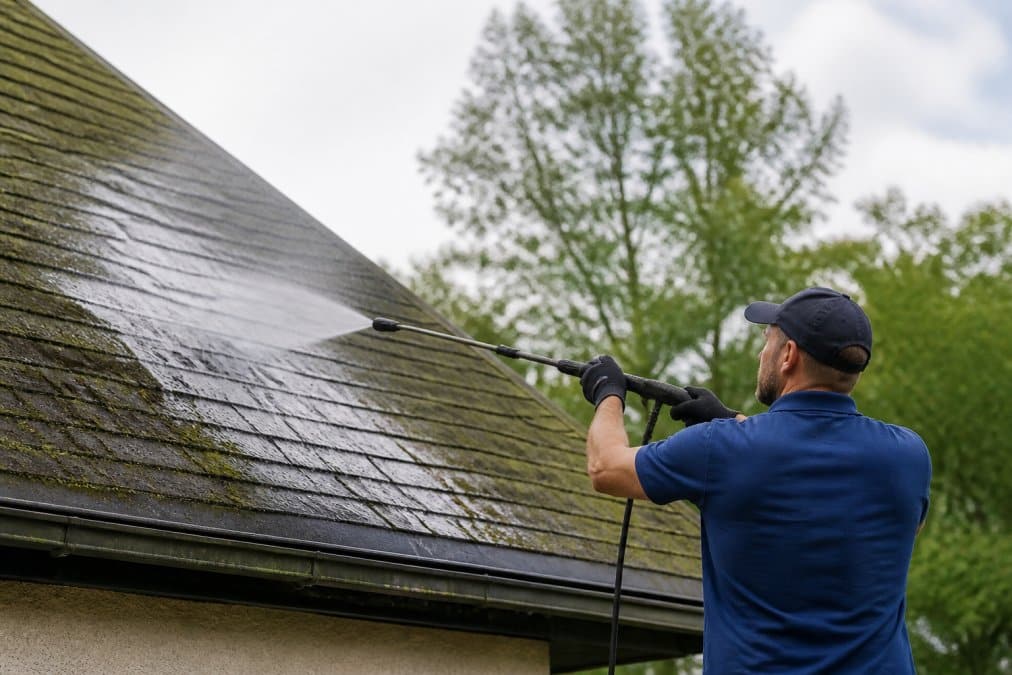
Table of Contents
- Roof Cleaning Services Pricing Guide: What Actually Drives Your Quote
- Average Cost of Roof Cleaning Per Square Foot in 2026
- Is Soft Washing Safe for Roof Shingles? Why Low Pressure Protects Your Roof
- Frequently Asked Questions
Last Updated: September 18, 2026
Roof Cleaning Services Pricing Guide: What Actually Drives Your Quote
No two roof cleaning quotes come out the same. This roof cleaning services pricing guide from Curb Appeal Solutions breaks down what actually moves the number: roof size, pitch, stain type, and access.
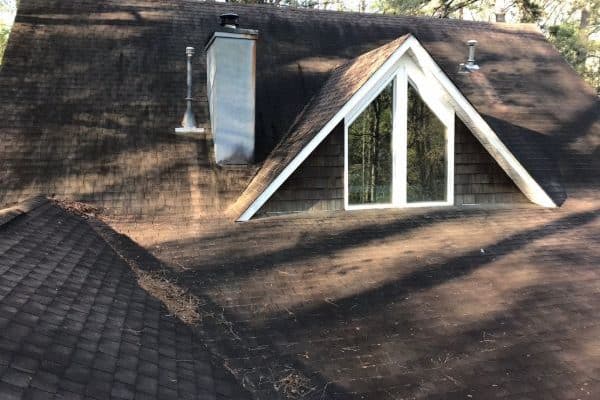
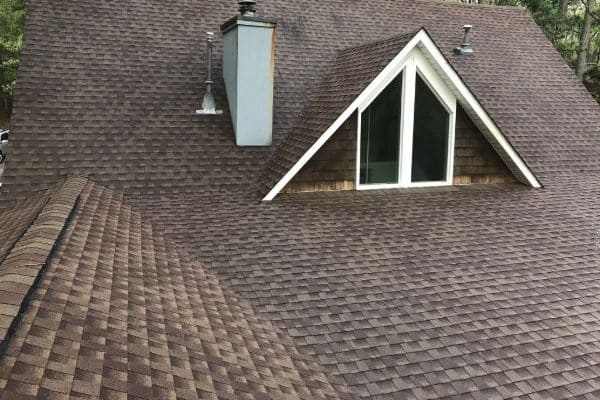
Roof cleaning removes algae, moss, lichen, and dirt from shingles using low-pressure methods and cleaning solutions. Cost depends on surface area, roof pitch, and growth severity.
Three variables explain nearly every quote gap: square footage sets the base, roof pitch and slope add labor time, and stain severity decides how many chemical treatments are needed.
Below, we’ll show what each factor adds, and why a soft wash quote reads higher.
Average Cost of Roof Cleaning Per Square Foot in 2026
Most contractors price roof cleaning per square foot of roof surface area, not home size. A 2,000 sq. ft. house can carry 2,400 sq. ft. or more of roof.
That distinction is where estimates go wrong. Homeowners measure the floor plan. Contractors measure the roof plane, including overhangs and pitch multiplier.
| Factor | Effect on Price | Why |
|---|---|---|
| Surface area | Base rate | More shingles, more solution, more time |
| Roof pitch | Increases cost | Steeper slope means slower, safer work |
| Stain type | Increases cost | Lichen and moss need repeat treatment |
| Roof height | Increases cost | Two-story and taller roofs need more setup |
| Gutter cleaning add-on | Modest increase | Often bundled to save a second trip |
A low-slope ranch with light algae sits at the bottom of the range. A steep, two-story roof with heavy lichen and clogged gutters sits at the top.
Is Soft Washing Safe for Roof Shingles? Why Low Pressure Protects Your Roof
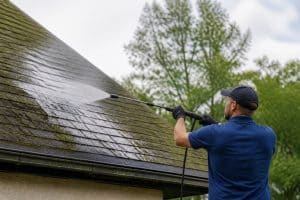
Soft washing is safe for asphalt shingles because it cleans with low pressure and a cleaning solution rather than force. Pressure washing strips the protective granules that give shingles their color and longevity.
Once that granule layer is gone, the shingle ages faster, and most manufacturers treat mechanical damage as a warranty issue. A roof warranty can be voided by high-pressure cleaning, so the method matters as much as the result.
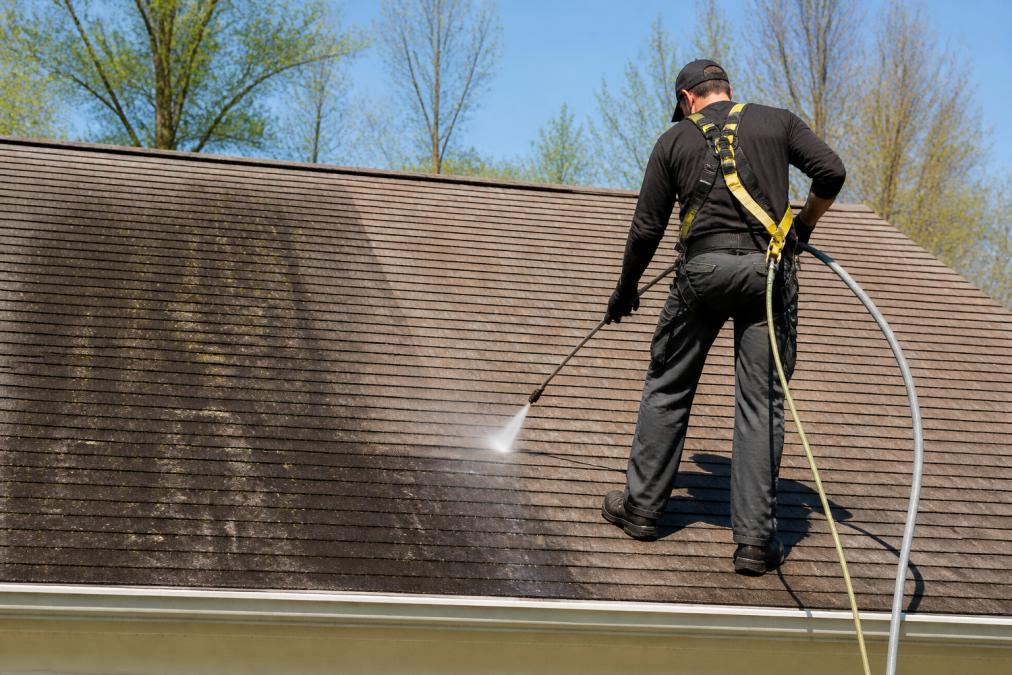
High-pressure washing on asphalt shingles blasts away the mineral granules that shield the mat underneath. The damage is invisible for a season or two, then the shingles start failing early, and you’re paying for a roof instead of a cleaning.
Soft washing kills algae at the root with a biodegradable solution, then lets rain rinse the dead growth away. Pressure washing only removes surface growth, so streaks return in months, not years.
That’s why pressure stays low and dwell time does the work.
Frequently Asked Questions
How much should I pay for roof cleaning?
Roof cleaning services pricing depends on roof size, pitch, stain severity, and local labor rates. Most homeowners pay per square foot of roof surface area, with steeper roofs and heavy algae or moss coverage costing more. Rather than anchoring to a single national average, get quotes from at least three local contractors who inspect your roof in person. Curb Appeal Solutions offers a fast, no-obligation quote so you know exactly what your roof needs before committing.
Is soft washing more expensive than traditional pressure washing?
Soft washing often costs slightly more upfront than pressure washing because it uses specialized cleaning solutions and requires more technician time. However, pressure washing can strip protective granules from asphalt shingles, leading to premature roof failure and costly replacement. When you factor in roof longevity and warranty protection, soft washing is the more cost-effective choice for shingle roofs. Ask any contractor you hire which method they use and why.
How often should I have my roof professionally cleaned?
Most roofs benefit from professional cleaning every two to three years, though homes surrounded by trees or in humid climates may need annual service. Black algae streaks, moss, and lichen return faster when shade and moisture are persistent. Scheduling preventative maintenance before stains become severe keeps costs lower and protects your roof warranty. A reputable contractor can assess your roof and recommend a realistic cleaning schedule based on your specific conditions.