Table of Contents
- Why Clogged Gutters Cause Basement Flooding
- How to Clean Gutters and Downspouts
- How Often to Clean Gutters for Maximum Protection
- Frequently Asked Questions
Last Updated: October 18, 2026
Why Clogged Gutters Cause Basement Flooding
Clogged gutters are one of the most common causes of basement water damage. When leaves and debris block your gutters, rainwater spills over the edges and pools around your foundation, then seeps through cracks into your basement.
The damage happens fast. Heavy rain can overwhelm a clogged system in minutes, and pooled water forces moisture through concrete and mortar. Once water enters, mold can begin growing within 24 to 48 hours (the CDC).
To prevent basement flooding, the chain starts here: clean gutters direct rainwater away, and proper downspout extensions keep it further from your foundation. Maintaining clean gutters and downspouts twice a year can help homeowners avoid expensive basement repairs.
How to Clean Gutters and Downspouts
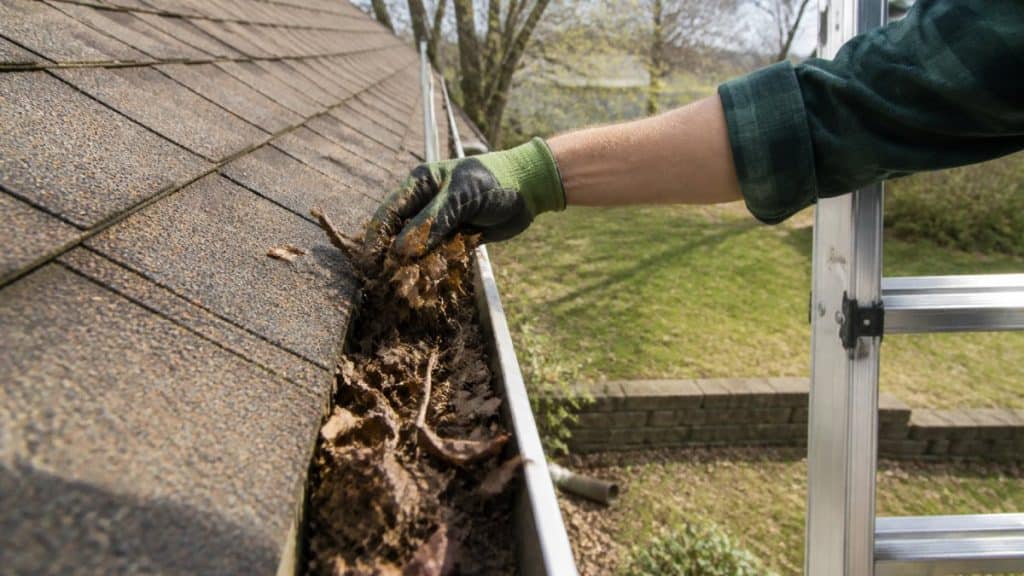
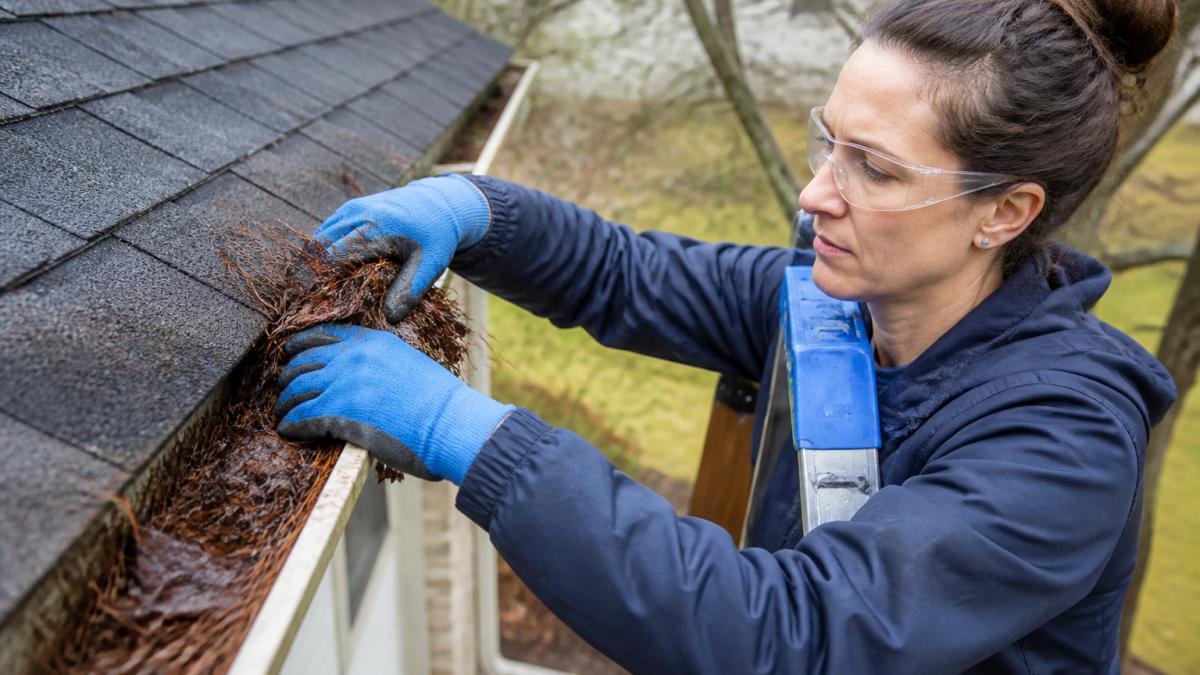
Cleaning gutters safely requires the right approach. Set a sturdy ladder on level ground, wear work gloves and safety glasses, and have a bucket or tarp ready to catch leaves.
Steps to clean your gutters:
- Position the ladder directly under the section you’re cleaning
- Scoop out leaves and debris into your bucket
- Flush the gutter with a garden hose and check water flows freely toward downspouts
- Never lean too far sideways; reposition the ladder instead
- Work in daylight and avoid cleaning during or after heavy rain
After clearing the gutters, inspect your downspouts. If one is clogged, use a plumbing snake or straightened wire to break up the blockage, then flush it with a garden hose.
Downspout extensions are critical for preventing basement flooding. Water should discharge at least 4 to 6 feet from your foundation; splash blocks or flexible extensions keep rainwater from pooling against your basement walls.
How Often to Clean Gutters for Maximum Protection
Most homeowners should clean gutters twice a year, in spring and fall, to remove winter debris and prepare for heavy rains.
Frequency depends on local conditions. With many trees nearby, you may need to clean gutters three or four times yearly, since pine needles and leaves accumulate faster in dense vegetation.
After heavy storms, check your gutters for damage and debris. Gutter guards reduce how often you clean but don’t eliminate it, and regular inspection catches problems before they cause basement water damage.
Consistent maintenance is how you prevent basement flooding and the water damage that leads to expensive repairs. Clean gutters, working downspouts, and proper drainage extensions work together to keep water away from your foundation. This is where preventing basement flooding truly begins. Implementing these foundational defenses often requires a comprehensive strategy like those recommended by Shady Tree Landscaping to ensure your home remains dry throughout the year.
Frequently Asked Questions
Will clogged gutters cause basement flooding?
Yes. When gutters overflow due to debris buildup, rainwater spills over the sides and saturates the soil around your foundation. This water seeps into basement walls through cracks and gaps, causing flooding and water damage. Clean gutters direct roof runoff safely away from your home’s foundation, preventing water pooling and entry.
How often should I clean my gutters to help prevent basement flooding?
Most homeowners should clean gutters twice a year: once in spring after pollen and winter debris accumulate, and again in fall after leaves drop. If you have pine trees nearby, clean them more frequently, especially before heavy rain seasons. Regular cleaning prevents clogs that lead to overflow and basement water seepage.
How far should downspouts direct water away from the foundation?
Downspout extensions should discharge water at least 4 to 6 feet away from your foundation. This distance prevents water from pooling around foundation cracks and basement walls. Splash blocks or underground drainage systems can help extend water further and direct it safely away from your home’s structural integrity.
Basement water damage is one of the most costly home repairs homeowners face. The good news: it’s preventable through simple maintenance. At Curb Appeal Solutions, we specialize in gutter cleaning, downspout maintenance, and foundation protection services that keep water where it belongs, away from your home. Our low-pressure cleaning methods safely remove debris and buildup without damaging your gutters. Get a fast quote today and protect your foundation before the next heavy rain.