Table of Contents
- How to Measure Square Footage for Exterior Cleaning
- Factors Affecting Pressure Washing Quotes
- Average Cost to Pressure Wash a House
- Soft Washing vs. Pressure Washing Pricing
- How to Calculate Total Square Footage
- Estimating Labor and Equipment Costs
- Professional vs. DIY Cost Comparison
- Site Condition Assessment Checklist
- Overhead, Profit Margin, and Quote Accuracy
- Frequently Asked Questions
Last Updated: October 2, 2026
How to Measure Square Footage for Exterior Cleaning
Estimating pressure washing cost per square foot starts with your home’s exterior surface area, most homeowner guesses are wrong by 30% or more. Measure each wall’s length × height and add them; measure driveways and walkways separately; subtract windows and doors over 15 square feet. A 1,500-square-foot single-story home often has 1,800-2,200 square feet of exterior wall; two-story homes can double that.
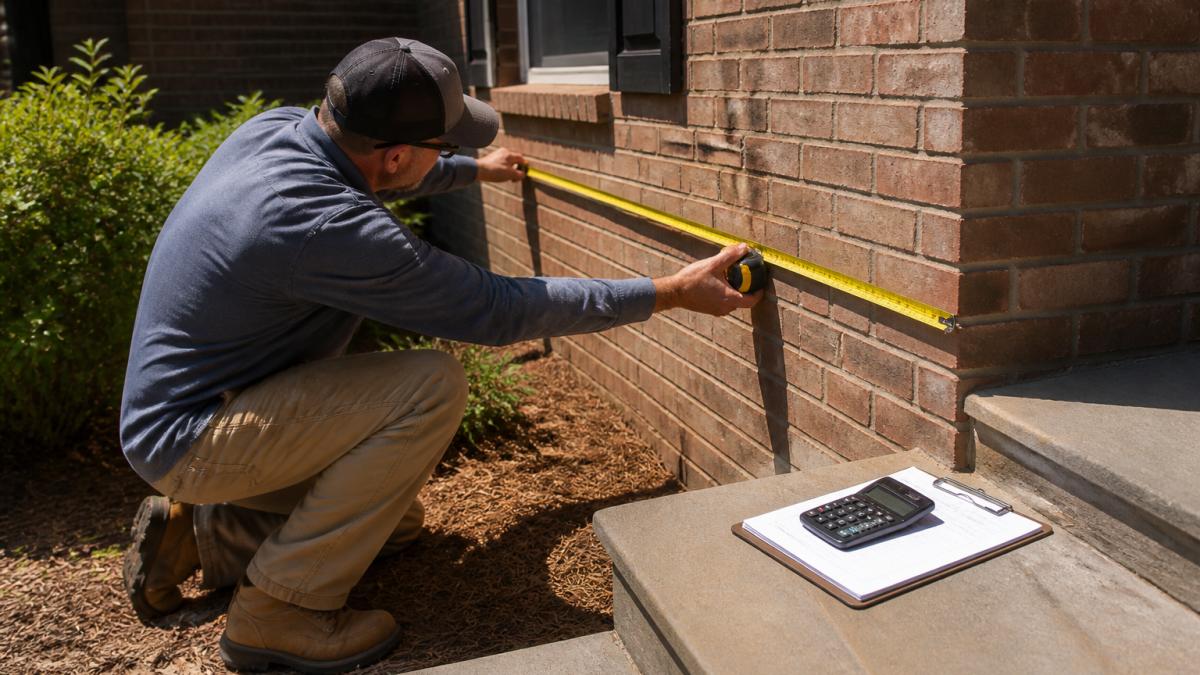
Measure in the morning before the sun moves. Shadows shift your reference points, and a second pass in different light often catches walls you missed the first time.
Factors Affecting Pressure Washing Quotes
Pressure washing quotes change based on site conditions, not just size: buildup level, surface type, accessibility, height, and stain severity all move the number. A common mistake is comparing quotes without checking what each includes, one company may price only the driveway, another the whole exterior. The U.S. Environmental Protection Agency’s guidance on residential cleaning products offers useful context on what safe exterior cleaning looks like.
| Factor | Low Impact | High Impact |
|---|---|---|
| Buildup level | Light dust | Heavy mold and mildew |
| Surface type | Vinyl siding | Asphalt roof shingles |
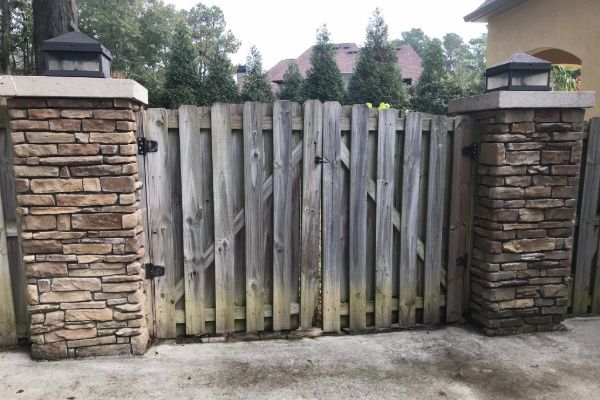
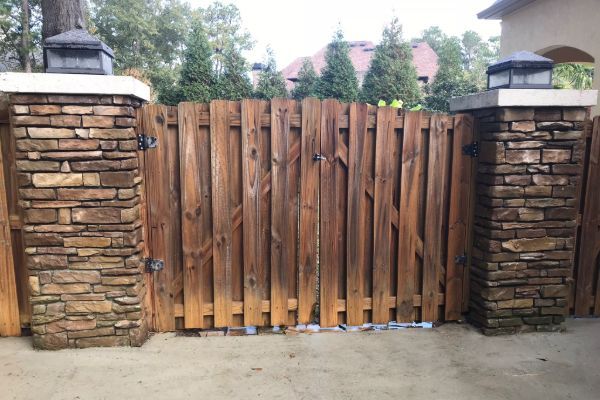
| Accessibility | Open driveway | Fenced, gated yard |
Skipping a site walkthrough is the fastest way to get an inaccurate quote. Companies that price by phone without seeing the property often add charges later.
Average Cost to Pressure Wash a House
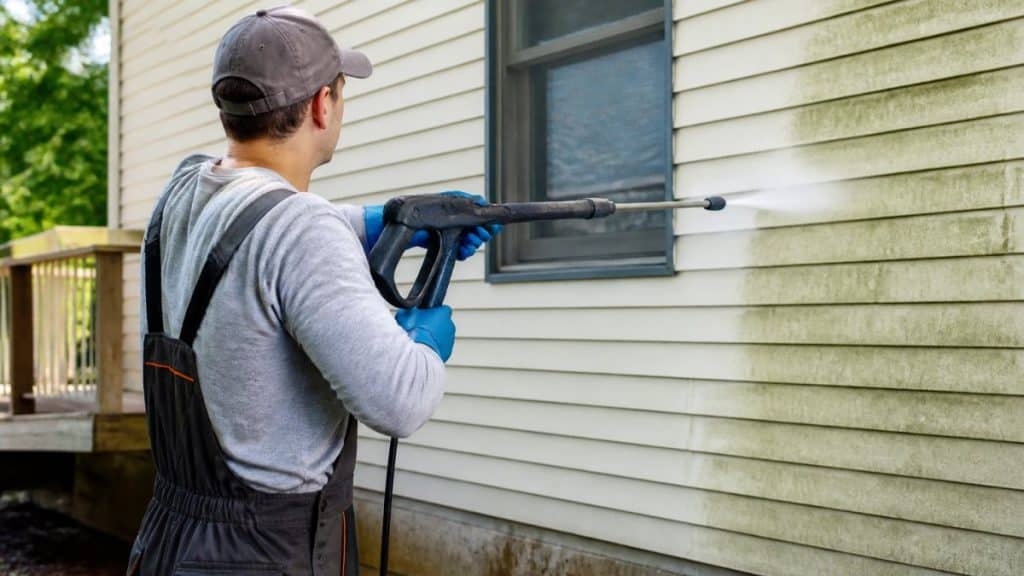
The average cost to pressure wash a house depends on size, surface mix, and buildup, there is no single flat rate. Most companies price by flat rate, per square foot, or hourly. Soft washing uses low pressure and cleaning solutions for roofs, siding, and painted surfaces; pressure washing uses high pressure for concrete and hard surfaces, and soft washing usually costs more per square foot because it takes longer and uses more chemicals.
Soft Washing vs. Pressure Washing Pricing
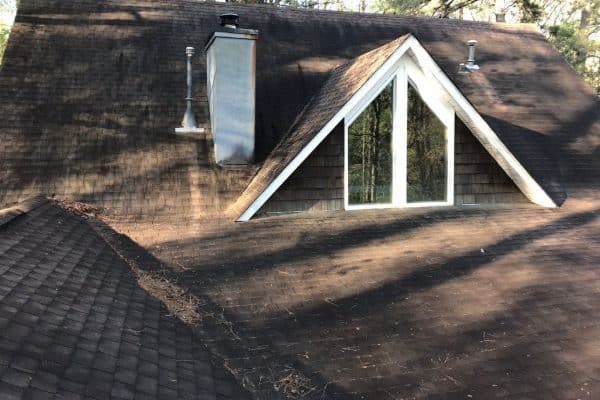
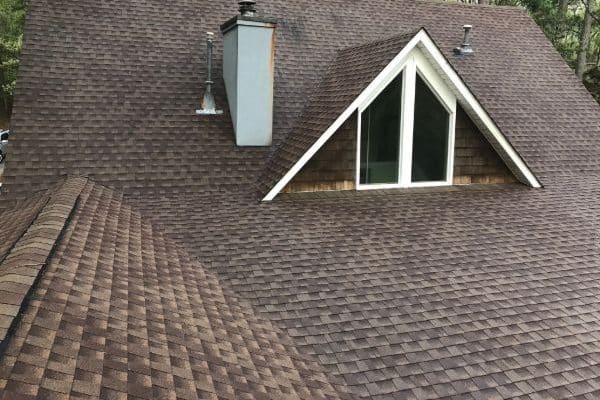
Soft washing uses low pressure, around the force of a garden hose, with solutions that kill mold and mildew at the root; pressure washing blasts dirt off hard surfaces with high-pressure water. Pressure washing is faster on concrete driveways and sidewalks, but it can strip paint, crack siding, and destroy roof shingles if used wrong. A common mistake is hiring a company that pressure washes everything, roofs and painted siding should never get high pressure. The Asphalt Roofing Manufacturers Association explains why high pressure damages shingle granules.
Match the method to the surface, not the price. Saving money with high pressure on a roof usually means paying more later for repairs.
How to Calculate Total Square Footage
Total square footage equals the sum of every surface you plan to clean, break the job into sections, measure each one, then add them together. Use this worksheet:
- Siding: length × height for each wall
- Driveway, walkways, patio or deck: length × width
- Roof: footprint area plus pitch adjustment
- Subtract windows and doors over 15 square feet
- Add 10% for trim, corners, and hard-to-reach spots
For roof area, multiply the footprint by a pitch factor: 1.1 for low-slope, 1.4 or higher for steep. Most homeowners land within 10% of the real number using this method, close enough to compare quotes fairly.
Estimating Labor and Equipment Costs
Labor and equipment make up most of what you pay for professional cleaning: crew time, plus the pressure washer, surface cleaner, hoses, and chemicals. For DIY comparison, a pressure washer rents daily at most home improvement stores, cleaning solutions add to the total, a full exterior takes most homeowners a weekend or more, and improper pressure can damage siding, strip paint, or crack concrete. Professional pricing bundles all of this plus insurance and training, which is why pro quotes look higher at first glance. The Occupational Safety and Health Administration sets standards for equipment safety that professional crews follow on every job.
Professional vs. DIY Cost Comparison
DIY saves money on paper, but the gap narrows fast once you count equipment, chemicals, and time:
| Factor | DIY | Professional |
|---|---|---|
| Equipment | Rental or purchase | Included |
| Chemicals | Bought separately | Included |
| Time | Full weekend or more | A few hours |
DIY makes sense for small jobs like a single walkway. For a full exterior with mold, red clay stains, and roof cleaning, professionals finish faster and safer. A common mistake is renting a pressure washer and turning it up too high, which strips paint and etches concrete, the repair bill often costs more than hiring a pro.
If you go the DIY route, start on a hidden section first. Test your pressure and technique where mistakes will not show.
Site Condition Assessment Checklist
Site conditions decide the final quote more than raw square footage. Walk your property before calling anyone and note:
- Surface types: concrete, vinyl, wood, brick, roof
- Buildup level: light, moderate, or heavy
- Stain types: mold, mildew, red clay, rust, oil
- Access: gates, fences, parked cars, locked areas
- Water access: outdoor spigot location
- Height: single or multi-story
- Fragile areas: landscaping, furniture, light fixtures
- Drainage: where runoff will flow
This checklist helps you ask better questions and spot quotes that miss key details. A quote that ignores heavy mold or tight access is probably too low.
Overhead, Profit Margin, and Quote Accuracy
Every professional quote includes overhead and profit margin: overhead covers insurance, fuel, equipment upkeep, and office costs, while profit margin keeps the business running and pays the crew fairly.
Getting an accurate pressure washing quote comes down to knowing your square footage and what drives the price. Curb Appeal Solutions makes that easy with free on-site estimates, a low-pressure method that protects siding and roof, and a 100% satisfaction guarantee backed by over 1,700 five-star reviews.
Frequently Asked Questions
How much should I charge to pressure wash a 2000 sq ft house?
Pricing for pressure washing a 2000 sq ft house depends on several factors, including the level of buildup, surface type, and accessibility. Because Curb Appeal Solutions has not provided specific pricing, we recommend contacting us directly for a fast quote tailored to your property’s condition. We assess site conditions and surface area to provide an accurate estimate.
What factors influence pressure washing pricing beyond square footage?
Beyond square footage, pricing is influenced by site conditions such as heavy mold and mildew, red clay stains, or oxidized siding. Accessibility, height, and the need for soft washing versus pressure washing also play a role. Additional services like gutter cleaning or paver sealing can affect the final quote. Always request a site assessment for an accurate estimate.
Is it better to charge by the hour or by the square foot for pressure washing?
Charging by the square foot provides a flat rate that is easier for customers to understand and compare. Hourly rates can vary based on speed and may not reflect the actual scope of work. For exterior cleaning, a square footage-based estimate combined with site condition assessment offers the most accurate and fair pricing for both parties.