Table of Contents
- Soft Wash vs Pressure Wash: Core Differences at a Glance
- Pressure Washing PSI Settings and What They Mean for Your Surfaces
- Soft Wash Equipment Setup: How the System Works
- Surface Compatibility: When Soft Washing Prevents Substrate Damage
- Soft Wash vs Pressure Wash for Organic Growth: Mold, Algae, and Black Streaks
- Chemical Safety, Runoff, and Long-Term Maintenance ROI
- House Washing Cost: What Affects Your Final Price
- Conclusion
Last Updated: August 14, 2026
Soft Wash vs Pressure Wash: Core Differences at a Glance
Most homeowners assume more pressure equals cleaner surfaces, but this assumption causes thousands of dollars in preventable damage annually. The answer comes down to one critical distinction: what you’re removing and what surface you’re removing it from.
Soft washing is a low-pressure cleaning method using chemical solutions, typically sodium hypochlorite combined with surfactants, applied at 60-500 PSI to kill organic growth like algae, mold, mildew, and lichen. Chemistry does the work, not water force.
Pressure washing is a high-pressure cleaning method using water delivered at 1,500-4,000 PSI to blast away dirt, grime, paint, and surface contaminants through mechanical force.
| Factor | Soft Washing | Pressure Washing |
|---|---|---|
| Operating PSI | 60-500 PSI | 1,500-4,000 PSI |
| Primary mechanism | Chemical (biocides + surfactants) | Mechanical (water force) |
| Best for | Roofs, siding, stucco, painted wood | Concrete, brick, driveways, patios |
| Organic growth removal | Kills at the root | Removes surface layer only |
| Risk of substrate damage | Very low | Moderate to high on delicate surfaces |
| Dwell time required | Yes (5-20 minutes) | No |
| Results longevity | Longer lasting | Shorter without treatment |
Soft washing eliminates the biological source, so organic growth returns far more slowly than with pressure washing, which only strips the visible surface.
Pressure Washing PSI Settings and What They Mean for Your Surfaces
PSI measures water force per square inch, and the range matters enormously depending on the surface underneath the nozzle.
- Under 1,500 PSI: Light-duty tasks, vehicles, garden furniture
- 1,500-2,000 PSI: Light residential work, wood decks, screens, painted surfaces
- 2,000-2,800 PSI: General home exterior cleaning, wood fencing, composite decking
- 2,800-3,500 PSI: Concrete driveways, sidewalks, brick pathways
- 3,500+ PSI: Commercial-grade concrete, industrial surfaces, paint stripping
The Sun Joe SPX3000 delivers up to 2,030 PSI, adequate for light residential surfaces. The Generac 8874 reaches 2,900 PSI, suitable for driveways and tougher residential concrete.
Applying 3,000+ PSI to vinyl siding, stucco, or asphalt shingles causes immediate substrate damage. Vinyl dents and cracks. Stucco pits and erodes. Shingles lose protective granules that cannot be restored. One wrong nozzle choice can void a roofing warranty.
GPM: Why Water Volume Matters as Much as Pressure
GPM (gallons per minute) measures water volume flow. High PSI with low GPM can etch a surface without cleaning it efficiently. The NorthStar Portable Soft Wash system delivers 4.0 GPM at only 60 PSI, exactly the combination soft washing requires: high volume to carry chemical solution, low pressure to avoid damage.
For concrete cleaning, the sweet spot is 2,500-3,000 PSI combined with 2.0+ GPM, which prevents streaking and reduces the number of passes needed.
Nozzle Tips and Fan Spray Angles Explained
Nozzle tips control spray angle and effective PSI delivered to the surface:
- Red (0-degree): Maximum pressure, pencil-thin stream. Only for paint stripping or industrial grease. Never use on wood, vinyl, or painted surfaces.
- Yellow (15-degree): High pressure, narrow fan. Concrete and masonry prep.
- Green (25-degree): General-purpose cleaning on hard surfaces. Most common for driveways.
- White (40-degree): Wide fan spray, lower impact. Safe for wood, painted surfaces, cars.
- Black (65-degree/soap): Ultra-low pressure for applying detergent.
Soft wash systems use long-throw fan tips designed to project diluted sodium hypochlorite across rooflines and upper siding without requiring a ladder.
Soft Wash Equipment Setup: How the System Works
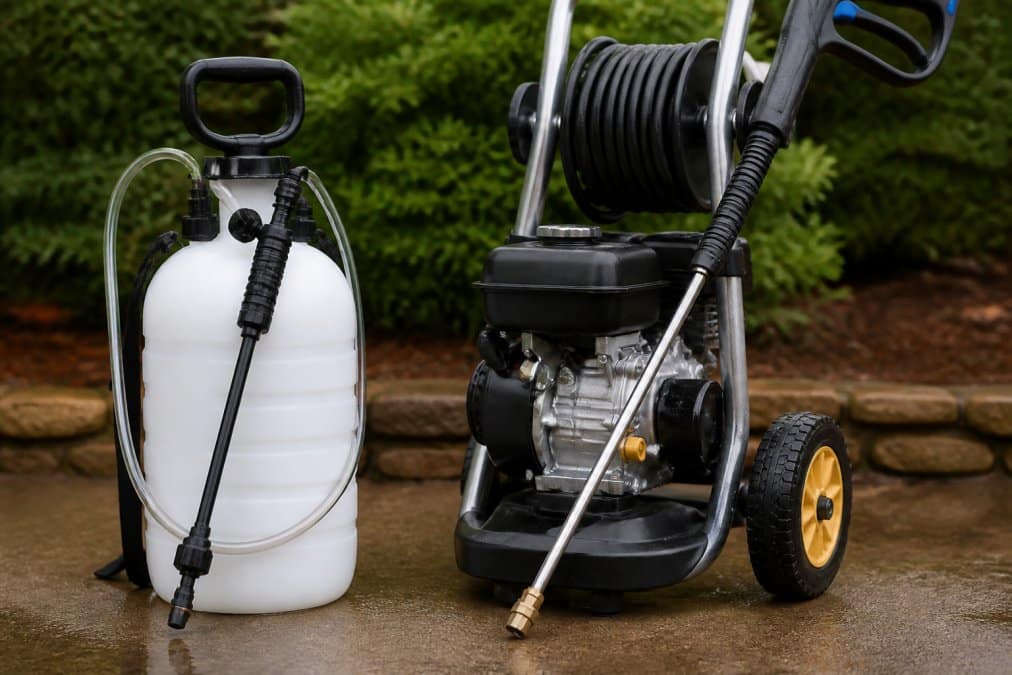
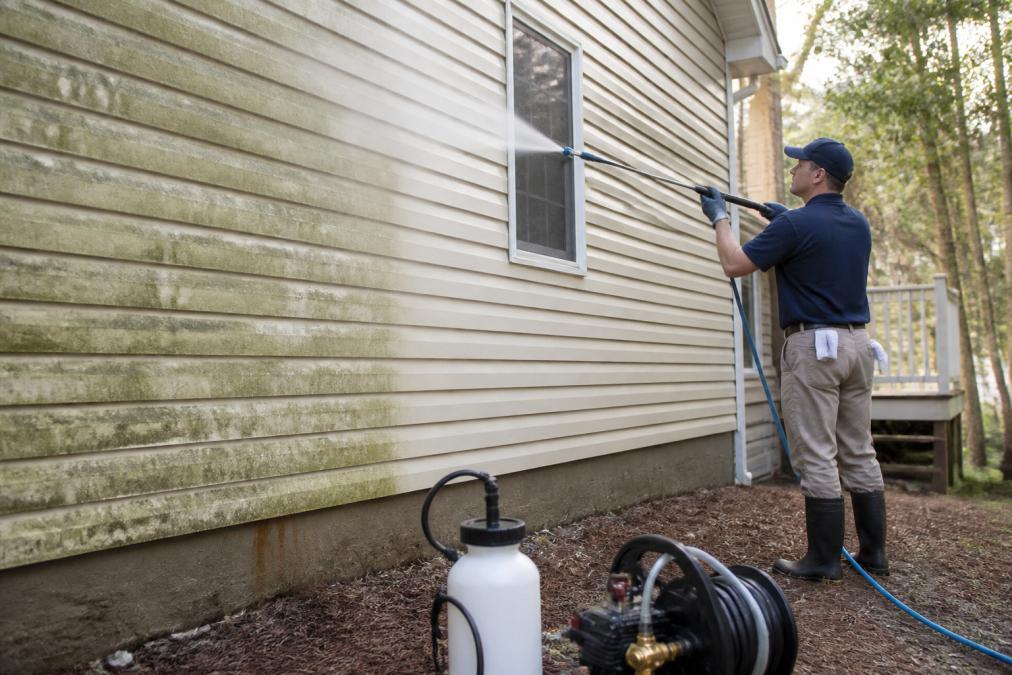
A soft wash system consists of a 12V pump (not a high-pressure pump), a chemical tank, a proportioner to control dilution ratios, and specialized nozzles designed for low-pressure, high-volume chemical delivery.
The NorthStar Portable Soft Wash system illustrates the consumer end: a 13-gallon tank, 4.0 GPM bleach-rated pump, and nozzles reaching up to 28 feet without a ladder. Professional contractors typically use truck- or trailer-mounted rigs like the AquaVanta Pro bundle, which includes a pre-assembled proportioner, wireless remote, and commercial-grade components for all-day operation.
The critical point: soft wash pumps are rated for chemical resistance. Standard pressure washer pumps corrode rapidly when sodium hypochlorite passes through them.
Cleaning Solutions: Sodium Hypochlorite, Surfactants, and Dwell Time
Sodium hypochlorite, the active ingredient in bleach, is the primary biocide. At dilutions typically ranging from 1% to 6%, it kills algae, mold, mildew, and bacteria at the biological level rather than just removing their visible presence.
Surfactants reduce surface tension, allowing the solution to cling to vertical surfaces long enough to work. Without surfactants, the solution runs off before penetrating organic growth. Biodegradable surfactant formulations are now standard in professional applications.
Dwell time is the variable most DIY attempts get wrong. The solution needs to remain on the surface for 5-20 minutes depending on contamination severity. Rinsing too early leaves the biological root structure intact, and growth returns within weeks. Proper dwell time followed by low-pressure rinsing produces results lasting months rather than weeks.
According to EPA guidance on antimicrobial cleaning products, sodium hypochlorite is a registered antimicrobial agent effective against a broad spectrum of biological contaminants when used at appropriate concentrations.
Surface Compatibility: When Soft Washing Prevents Substrate Damage
Surface compatibility is the deciding factor in every soft wash vs pressure wash decision. The wrong method causes permanent damage costing far more to repair than the original cleaning job.
Surfaces That Require Soft Washing
These surfaces are damaged by high-pressure cleaning and should only be treated with low-pressure soft washing:
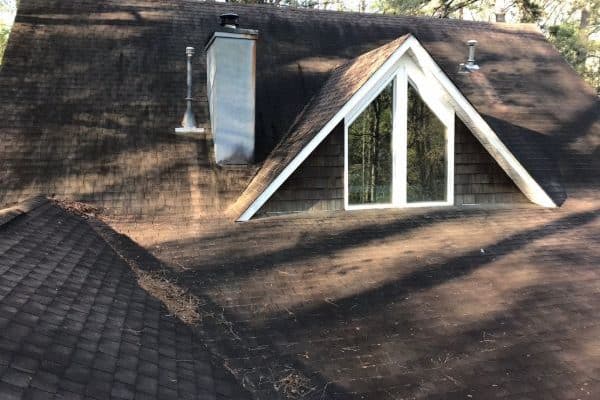
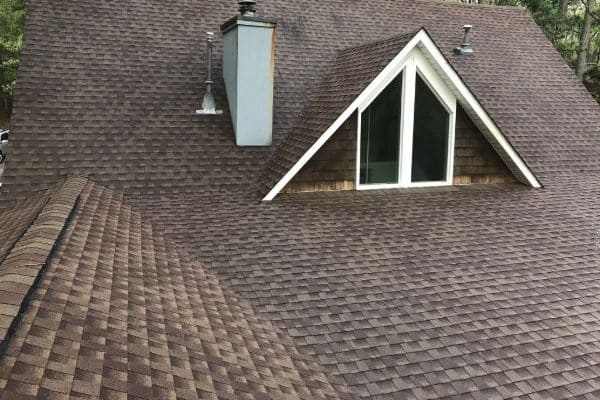
- Asphalt shingle roofs: High pressure strips protective granules, shortening roof lifespan. Soft washing removes black streaks and algae without touching the granules.
- Stucco: Porous by nature. High-pressure water forces moisture into the substrate, causing delamination, cracking, and mold growth behind the surface.
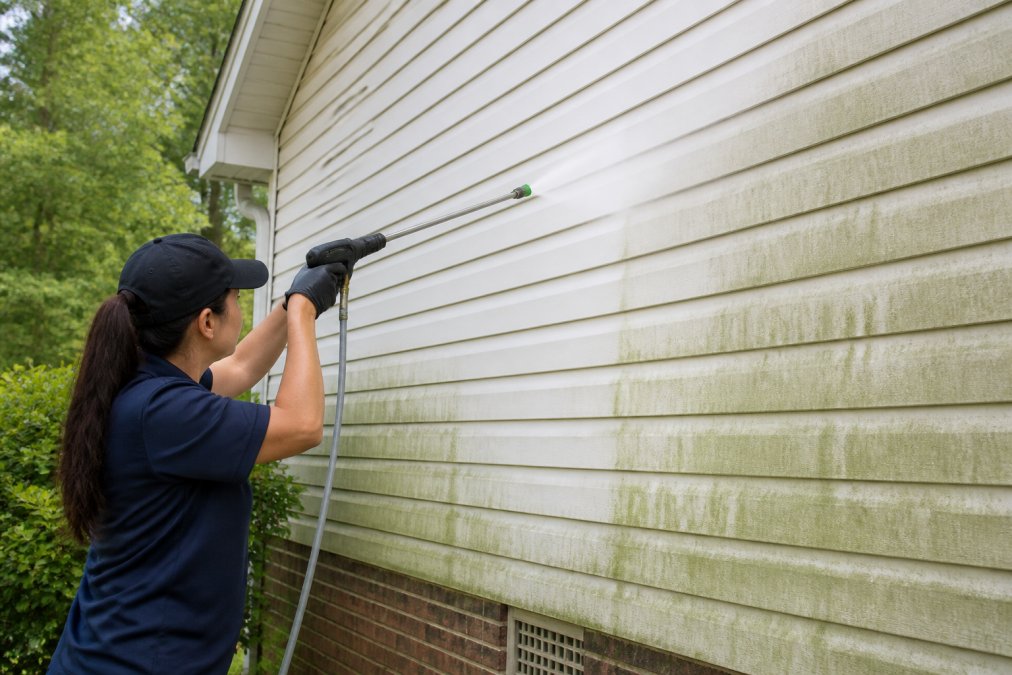
- Vinyl siding: Flexible and impact-sensitive. High PSI causes denting, cracking, and forces water behind panels where it causes structural rot.
- Painted wood siding: Pressure washing strips paint, raises wood grain, and forces water into seams.
- Cedar shake and wood shingles: Pressure washing splits and frays wood fibers, accelerating weathering.
- Older brick and mortar: Mortar joints soften and erode under high pressure, especially on homes built before 1980.
- Screened enclosures and gutters: Structural damage is nearly guaranteed with high-pressure application.
Surfaces Where Pressure Washing Is the Right Call
Some surfaces not only tolerate high-pressure cleaning but benefit from it:
- Concrete driveways and sidewalks: Dense, non-porous surfaces that handle 3,000+ PSI without damage. Red clay stains often require high pressure combined with a cleaning solution.
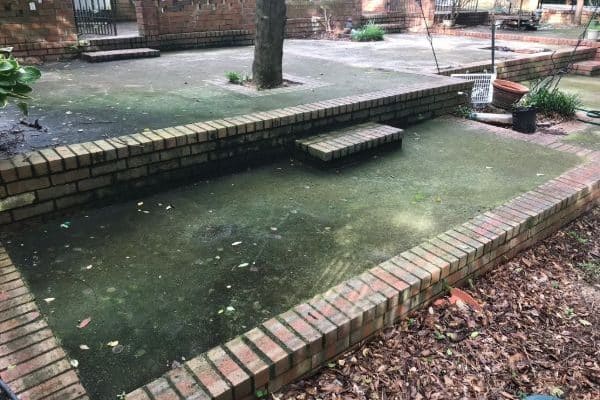
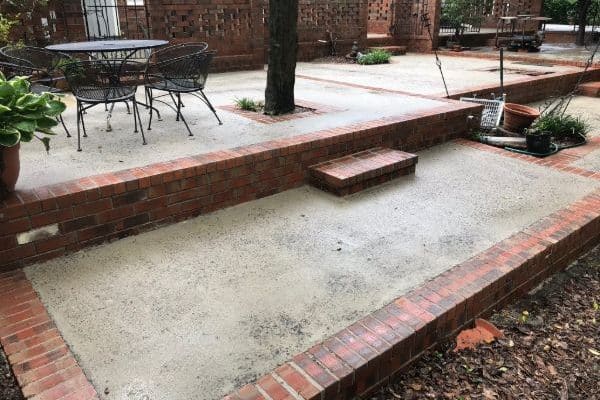
- Brick patios and retaining walls: Generally handle 2,000-2,500 PSI well, though older mortar warrants caution.
- Pool decks: Concrete and pavers respond well to pressure washing to remove algae and mineral deposits.
- Concrete block foundations: Durable enough for high-pressure cleaning.
- Metal fencing and railings: Non-porous metal handles pressure washing effectively.
For concrete driveways with embedded red clay staining, a pre-treatment with a citric acid-based cleaner followed by 2,500-3,000 PSI hot water cleaning typically outperforms cold water pressure washing alone.
Soft Wash vs Pressure Wash for Organic Growth: Mold, Algae, and Black Streaks
Organic growth is where the soft wash vs pressure wash debate has a definitive answer. Pressure washing removes the visible surface layer. Soft washing kills the organism.
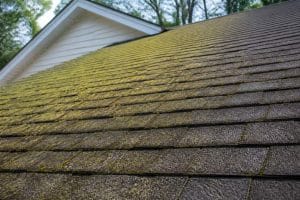
The black streaks on asphalt roofs are caused by Gloeocapsa magma, a cyanobacteria that feeds on limestone filler in asphalt shingles. Pressure washing removes the darkened appearance temporarily, but the organism’s biofilm remains embedded in the shingle surface. Regrowth typically appears within 3-6 months.
Sodium hypochlorite at the correct dilution penetrates the biofilm and kills the organism at the cellular level. Properly treated roofs commonly stay clean for 2-4 years before requiring retreatment.
The same logic applies to green algae on siding, black mold on stucco, and moss on brick. Pressure washing gives you a clean-looking surface for a season. Soft washing gives you a biologically clean surface for years.
According to CDC guidance on mold and moisture control, mold growth on exterior surfaces can spread to interior environments if the biological source is not eliminated, not just visually removed.
For any surface with visible organic growth, soft washing is the only method that addresses the root cause. Pressure washing organic growth is the equivalent of mowing weeds rather than pulling them.
Chemical Safety, Runoff, and Long-Term Maintenance ROI
Sodium hypochlorite at soft wash concentrations is harmful to plants, aquatic organisms, and pets if applied carelessly. Professional soft wash operators pre-wet surrounding vegetation before application, neutralize runoff at the property perimeter, and use biodegradable surfactants to reduce environmental load.
Treated surfaces are safe once dry, typically within 30-60 minutes after the rinse cycle. The concern is direct contact with the wet solution during application, not residual exposure after drying.
The EPA’s Design for the Environment program provides guidance on surfactant biodegradability standards that professional cleaning operators reference when selecting chemical formulations.
Long-term maintenance ROI is the angle most homeowners don’t calculate. Roofs that are pressure washed repeatedly lose granules progressively, shortening their serviceable life. Siding that is soft washed on a 2-3 year cycle maintains its finish and structural integrity far longer. The math on deferred replacement costs consistently favors the correct cleaning method.
Exterior maintenance also has direct bearing on property value. A clean, well-maintained exterior signals property care to buyers and appraisers alike, which matters particularly when preparing a home for sale.
House Washing Cost: What Affects Your Final Price
House washing cost varies based on several factors. Understanding them helps homeowners evaluate quotes accurately rather than defaulting to the lowest number.
Primary cost drivers include:
- Square footage: Larger homes require more time, chemical solution, and equipment setup.
- Accessibility: Multi-story homes, steep rooflines, and difficult-to-reach soffits add time and complexity.
- Severity of contamination: Heavy mold accumulation or years of algae buildup requires stronger solutions, longer dwell times, and sometimes multiple treatment passes.
- Surface type: Soft washing a roof requires different equipment, chemistry, and expertise than pressure washing a concrete driveway. Bundled services typically cost less per surface than individual bookings.
- Geographic factors: Labor costs, water costs, and disposal requirements vary by region.
- Service provider credentials: A licensed, insured operator with professional equipment and a satisfaction guarantee carries a different cost structure than a solo operator with a consumer-grade machine.
What you’re paying for in a professional service is the combination of the right equipment, right chemistry, proper technique, and accountability for the result. A low quote using the wrong PSI on your vinyl siding or roof shingles costs far more in repairs than the price difference.
Curb Appeal Solutions backs every job with a 100% satisfaction guarantee, and as the #1 rated exterior cleaning company in Upstate SC with over 1,700 five-star reviews across Google, Facebook, and other platforms, the value proposition is documented by customers themselves. For current pricing, request a fast quote directly from the team.
According to National Association of Realtors’ research on curb appeal and home value, exterior appearance is one of the top factors influencing buyer first impressions and perceived property value, making exterior maintenance a sound investment ahead of a sale.
Choosing between soft wash vs pressure wash comes down to matching the method to the surface and the contaminant. The wrong choice costs more in the long run, whether through recurring treatments or surface damage requiring replacement. Curb Appeal Solutions specializes in low-pressure washing and soft washing for residential and commercial properties, using eco-friendly cleaning solutions and professional equipment calibrated for each surface type. Get a fast quote and find out exactly which approach your property needs.
Frequently Asked Questions
What PSI is considered soft washing?
Soft washing operates at 100 PSI or below, well under the 1,500 to 4,000 PSI range used by standard pressure washers. That low pressure alone cannot remove embedded grime, so soft wash systems rely on biodegradable cleaning solutions, primarily sodium hypochlorite and surfactants, to break down mold, algae, and organic growth. The rinse cycle then flushes residue away without any mechanical force that could damage shingles, stucco, or painted wood.
Is soft washing safer for roof shingles than pressure washing?
Yes. High-pressure cleaning strips the protective granules from asphalt shingles, shortening roof lifespan and voiding many manufacturer warranties. Soft washing uses low-pressure application combined with cleaning solutions that kill algae and mold at the root. Results typically last two to four times longer than pressure washing a roof because the organic growth is eliminated rather than just blasted off the surface.
Does soft washing use chemicals, and are they safe for kids and pets?
Soft washing uses diluted sodium hypochlorite and surfactants applied at low pressure. Once the solution has completed its dwell time and the rinse cycle is finished, the treated surface is safe for children and pets. Reputable professionals use biodegradable surfactants and follow proper dilution ratios. If you have landscaping concerns, ask your provider about pre-wetting plants and rinsing surrounding areas before and after application to minimize runoff exposure.
How often should a house be soft washed?
Most homes benefit from soft washing every one to three years, depending on climate, tree coverage, and shade exposure. Properties in humid climates or under heavy tree canopy accumulate mold, mildew, and algae faster and may need annual treatment. Roofs cleaned with a proper soft wash method typically stay clean for three to five years. Regular exterior maintenance also protects property value and reduces the risk of long-term surface deterioration from organic growth.
Can I use a standard pressure washer as a soft wash system?
A standard pressure washer can apply detergent through its chemical injector at low pressure using a soap nozzle tip, but this is not a true soft wash setup. Dedicated soft wash equipment delivers 4 GPM or more at 60 to 100 PSI using a 12-volt pump designed to handle sodium hypochlorite safely. Consumer pressure washers typically cannot sustain the correct chemical concentration or volume needed to treat large areas like roofs effectively, and their pumps are not built for prolonged bleach contact.
This article was written using GrandRanker