Table of Contents
- Step 1: Clean and Inspect Your Driveway for Mold and Damage
- Step 2: Seal and Protect Your Driveway from Humidity
- Frequently Asked Questions
Last Updated: October 21, 2026
Step 1: Clean and Inspect Your Driveway for Mold and Damage
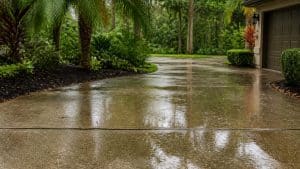
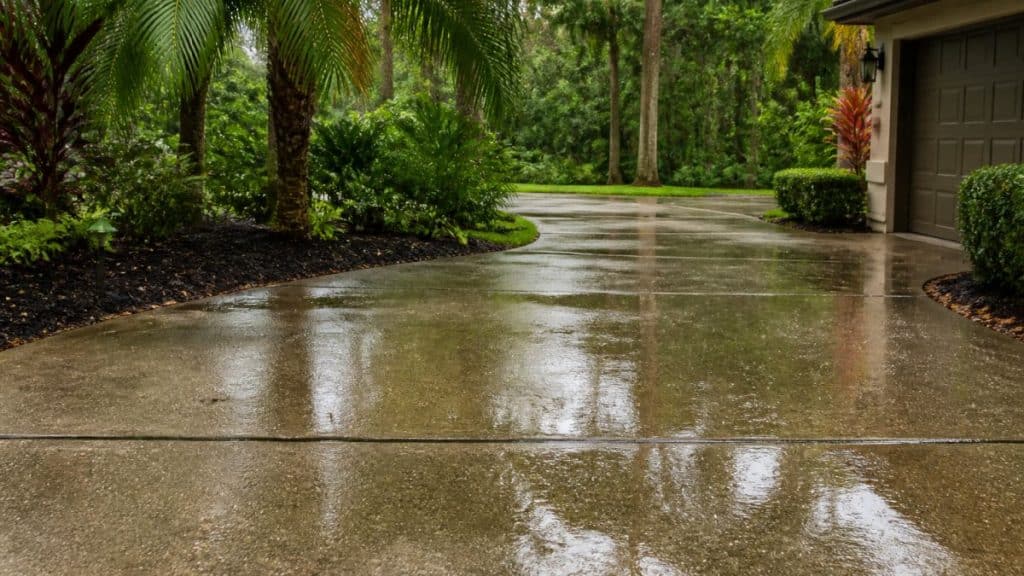
Maintaining concrete driveways in humid climates starts with a simple truth: moisture is the enemy, and it never takes a day off. This guide from Curb Appeal Solutions covers how to keep your slab clean, sealed, and crack-free when the air stays heavy. Humid climates are regions where average relative humidity stays high for most of the year, which slows evaporation and keeps concrete damp far longer than in dry areas. That dampness feeds algae, mildew, and freeze-thaw damage.
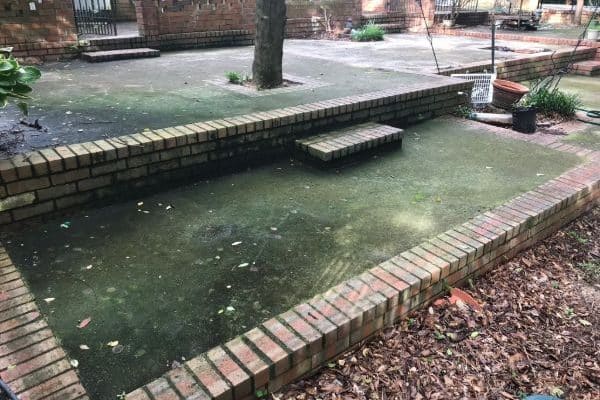
Start with a close look. Walk the slab and note green film, black streaks, rust spots, and hairline cracks. Algae and mildew grow fastest on north-facing and shaded sections that dry last. According to the U.S. Environmental Protection Agency’s guidance on moisture and mold, mold needs moisture to grow, so cutting the water supply is the first line of defense.
Then clean it properly:
- Sweep off leaves, dirt, and pine needles so water can drain.
- Scrub mold and algae with a stiff brush and an eco-friendly concrete driveway cleaner.
- Rinse with low pressure. High pressure can pit the surface and open pores to more moisture.
- Treat oil and grease stains with a degreaser before they set.
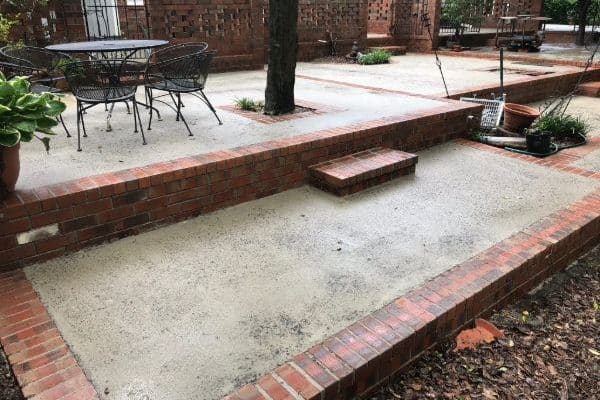
- Rinse again and let the slab dry for two to three dry days.
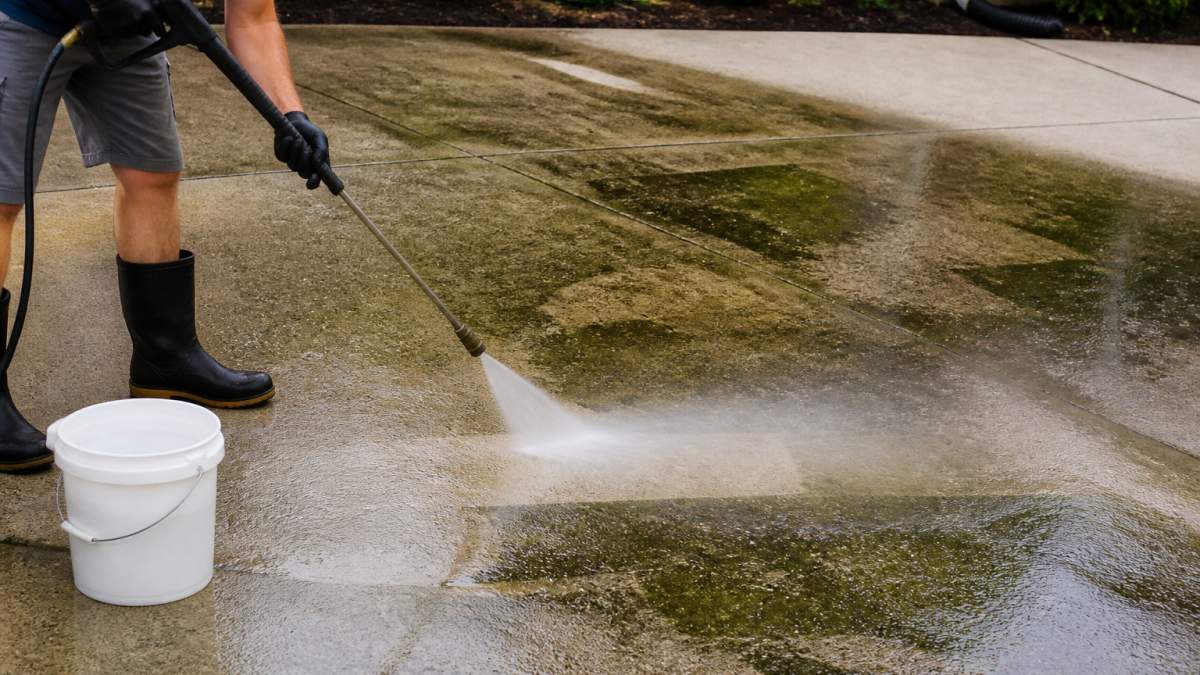
Persistent organic growth often masks deeper surface blemishes, yet homeowners must also remain vigilant against vandals who force them to remove concrete graffiti before the pigments permanently bond with the porous substrate.
Skipping the rinse-and-dry step before sealing traps moisture under the sealer. That moisture turns milky and lifts the coating within weeks.
Step 2: Seal and Protect Your Driveway from Humidity
A concrete sealer is a protective barrier that blocks water from soaking into the slab. In humid climates, a breathable water-based acrylic sealer usually beats a heavy film-forming coating because it lets trapped vapor escape. How often to seal a concrete driveway? Most slabs need resealing every two to three years, and sooner if water stops beading. Apply sealer only when the surface is fully dry, the temperature is mild, and no rain is forecast for 24 to 48 hours. Check the American Concrete Institute’s resources on curing and sealing for surface-prep standards.
Use this maintenance checklist:
- Inspect the slab monthly for cracks, water pooling, and new growth
- Clean and reseal every two to three years
- Improve drainage so water runs off instead of sitting
- Keep heavy traffic off fresh sealer for the full cure window
When the job calls for a professional hand, Curb Appeal Solutions uses low-pressure cleaning and eco-friendly methods to remove mold and restore curb appeal without damaging the surface.
Frequently Asked Questions
How often should you clean a concrete driveway in a humid climate?
In humid climates, aim to clean your concrete driveway every 3 to 4 months to prevent mold, mildew, and algae from taking hold. During extended wet seasons, monthly inspections and spot cleaning of shaded areas help. Regular cleaning removes organic growth before it stains the surface and makes sealing more effective. A simple routine of sweeping weekly and washing quarterly keeps your driveway in good shape.
What is the safest way to clean a concrete driveway?
Use low-pressure washing (under 1,500 PSI) with an eco-friendly cleaner to avoid etching the concrete surface. Avoid harsh acids or high-pressure blasting, which can damage the finish and worsen pitting. For mold, apply a diluted oxygen bleach solution, let it sit for 10-15 minutes, then rinse thoroughly. Always test a small area first and wear protective gear.
Should you seal a concrete driveway in a humid climate?
Yes, sealing is highly recommended in humid climates because it creates a protective barrier against moisture, mold, and algae. Choose a breathable water-based acrylic or urethane sealer that allows moisture to escape. Apply when the surface is completely dry and rain is not expected for 24-48 hours. Reapply every 2-3 years, or when water no longer beads on the surface.
Keeping a driveway clean in humid weather is a constant fight against moisture, mold, and cracks. Curb Appeal Solutions makes that fight easier with low-pressure washing, eco-friendly cleaning, and a 100% satisfaction guarantee. Get started with Curb Appeal Solutions and protect your driveway for the long haul.