Table of Contents
- Pressure Washing Insurance Requirements and Licensing
- Key Questions to Ask Pressure Washing Contractors
- Soft Washing vs Pressure Washing: Which Method Is Right?
- Frequently Asked Questions
Last Updated: September 19, 2026
Pressure Washing Insurance Requirements and Licensing
Hiring a pressure washing company without checking insurance means you may pay for damage yourself. Liability insurance covers crew damage to your property; workers compensation covers injured workers, without it, an injury could pull you into the claim.
Ask for a Certificate of Insurance before work starts, then call the insurer to confirm it’s active, a PDF can be faked, a phone call cannot. Licensing rules vary by state and city, so confirm with your local licensing board that the company is registered to operate in your area.
If a company cannot produce a Certificate of Insurance on request, walk away. Uninsured crews leave you exposed to property damage claims and injury liability that your homeowner’s policy may not cover.
Get a written estimate listing every service, total cost, and payment terms before work begins.
Key Questions to Ask Pressure Washing Contractors
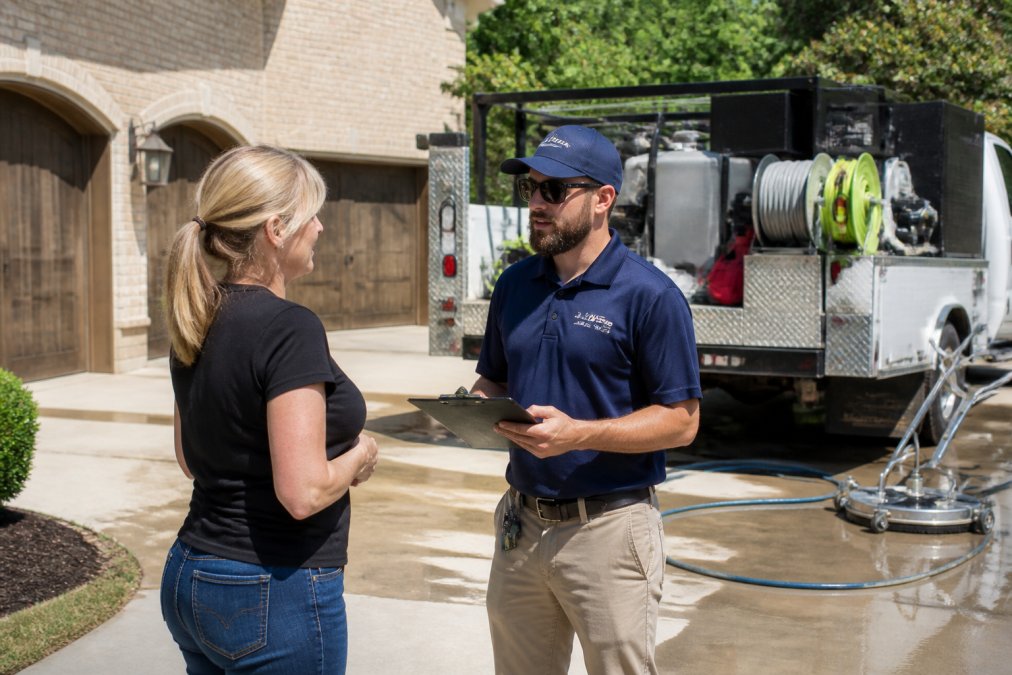
Establishing clear expectations during this initial consultation serves as a vital safeguard for your property, much like the broader due diligence required when finding reputable companies for any home maintenance project.
- Are you insured, and can I see the certificate? Ask for liability and workers comp.
- What pressure setting will you use? It should vary by material.
- Do you use soft washing for roofs and siding? High pressure strips shingles and cracks siding.
- What cleaning solutions do you use? Look for biodegradable detergents safe for kids, pets, and plants.
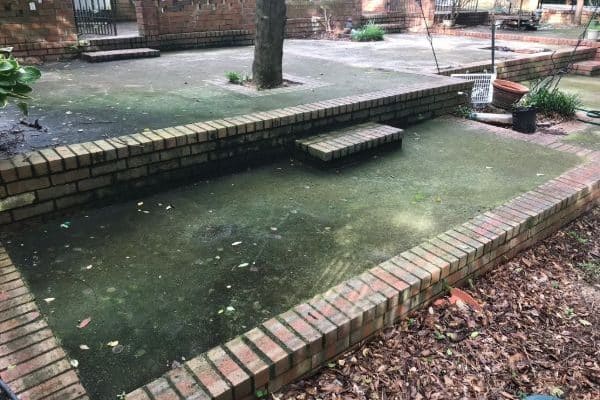
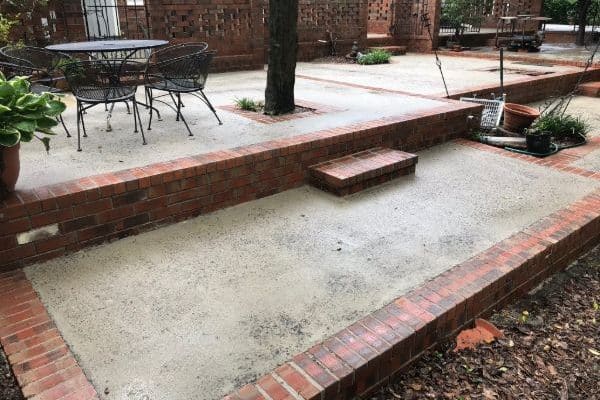
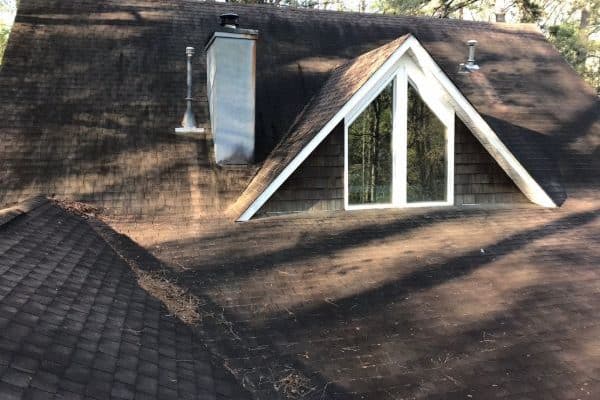
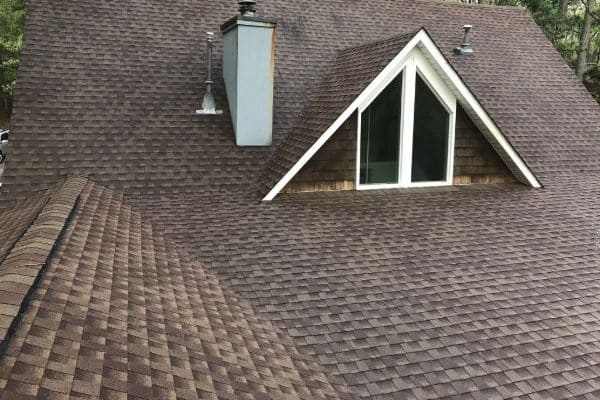
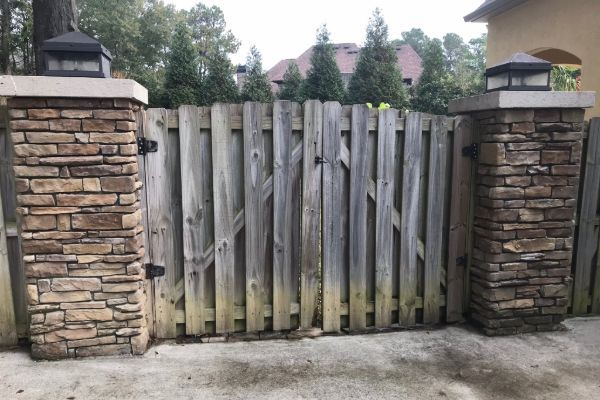
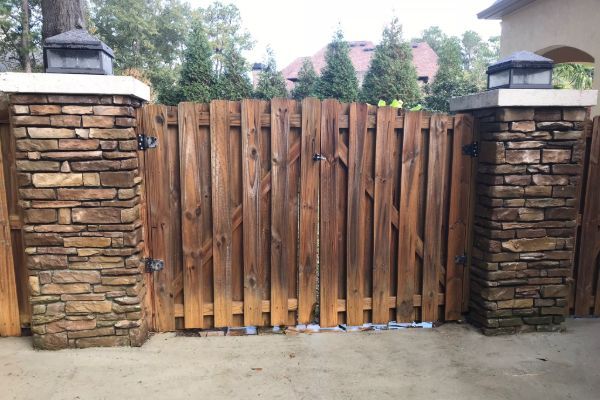
- Can I see before and after photos of similar jobs? Real project photos, not stock images.
- Will you provide a written estimate? Verbal quotes lead to surprise charges.
- What happens if something gets damaged? A clear answer signals real liability coverage.
A common mistake is hiring on price alone, the cheapest quote often skips insurance, training, and proper equipment.
Ask how the crew protects landscaping before they start. Professionals cover plants and redirect runoff. If the answer is “we just aim carefully,” that is a red flag.
Soft Washing vs Pressure Washing: Which Method Is Right?
Soft washing uses low pressure and specialized solutions to remove mold, mildew, and algae; pressure washing uses high-pressure water to blast away dirt and stains. The right choice depends on the surface.
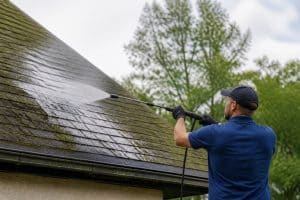
- Soft washing: Best for roofs, siding, painted wood, and stucco. Kills organic growth at the root.
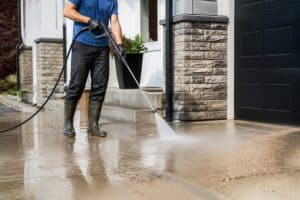
- Pressure washing: Best for concrete driveways, brick, and stone patios. Removes red clay and grime.
The wrong method causes real damage: high pressure strips shingle granules, etches wood, and forces water behind siding.
| Surface | Best Method | Why |
|---|---|---|
| Asphalt roof shingles | Soft washing | Prevents granule loss and shingle damage |
| Vinyl or wood siding | Soft washing | Avoids cracking and water intrusion |
| Concrete driveway | Pressure washing | Cuts through red clay and stains |
Ask any pressure washing company which method they’ll use on each surface; if the answer is the same for everything, keep looking.
The best exterior cleaning results come from matching the method to the surface, not from turning up the pressure. Soft washing protects your roof and siding. Pressure washing handles your concrete.
For stubborn Upstate red clay stains, a trained technician knows which surface cleaner and nozzle tips to use without damaging the substrate. Curb Appeal Solutions uses a low-pressure method that removes mold and clay while protecting your home’s exterior, backed by a 100% satisfaction guarantee and over 1700+ Five Star Reviews On Google, Facebook & More.
Frequently Asked Questions
What certifications or insurance should a pressure washing company have?
A reputable pressure washing company should carry general liability insurance and workers’ compensation coverage. General liability protects your property if something gets damaged during the job, while workers’ comp covers the technicians if they get injured on your property. Ask for a certificate of insurance before work begins. Some companies also pursue technician certification through industry organizations, which shows a commitment to proper training and safety protocols.
What is the difference between pressure washing and soft washing?
Pressure washing uses high-pressure water, typically measured in PSI and GPM, to blast away dirt and stains from hard surfaces like concrete driveways and brick. Soft washing uses low pressure combined with biodegradable detergents to clean delicate surfaces such as roof shingles, siding, and painted wood. Soft washing kills mold and mildew at the root without stripping protective granules from asphalt shingles or etching the substrate. The right method depends on the surface being cleaned.
What questions should I ask to avoid property damage?
Ask contractors about their pressure settings, nozzle tips, and whether they use a surface cleaner for flatwork. Inquire about their experience with your specific surface type, such as red clay stains on concrete or mold on roofing. Request before and after photos from similar jobs and ask if they have a written service agreement that outlines liability. A company that cannot answer these questions clearly may not have the training to prevent damage.
Choosing the wrong pressure washing company can cost you far more than the job itself. Damage from high pressure, uninsured crews, and harsh chemicals often costs thousands to fix. Curb Appeal Solutions is a woman and veteran-owned family business that uses low-pressure cleaning, eco-friendly solutions, and a RainDrop gutter guard system to protect your property. Get a fast quote from Curb Appeal Solutions and restore your curb appeal with confidence.